


Medway NHS adopts BIS Consult’s fire risk management platform
6 October 2026

How does the National Infrastructure and Service Transformation Authority (NISTA) know when a major project needs an intervention? Step forward its early warning system.
NISTA chief executive Becky Wood states in NISTA’s annual report 2025/2026: “We have been working closely with senior leaders across government to strengthen the practical support available to accounting officers, senior responsible owners and project teams. That includes more focused expert advice, clearer guidance and materials, and a stronger emphasis on building capability within departments rather than substituting for it.
“Data and digital tools are becoming increasingly important to this work and remain central to NISTA’s ability to deliver across our remit. NISTA is improving how government uses project information to identify risks, spot patterns and act before problems become harder to address.
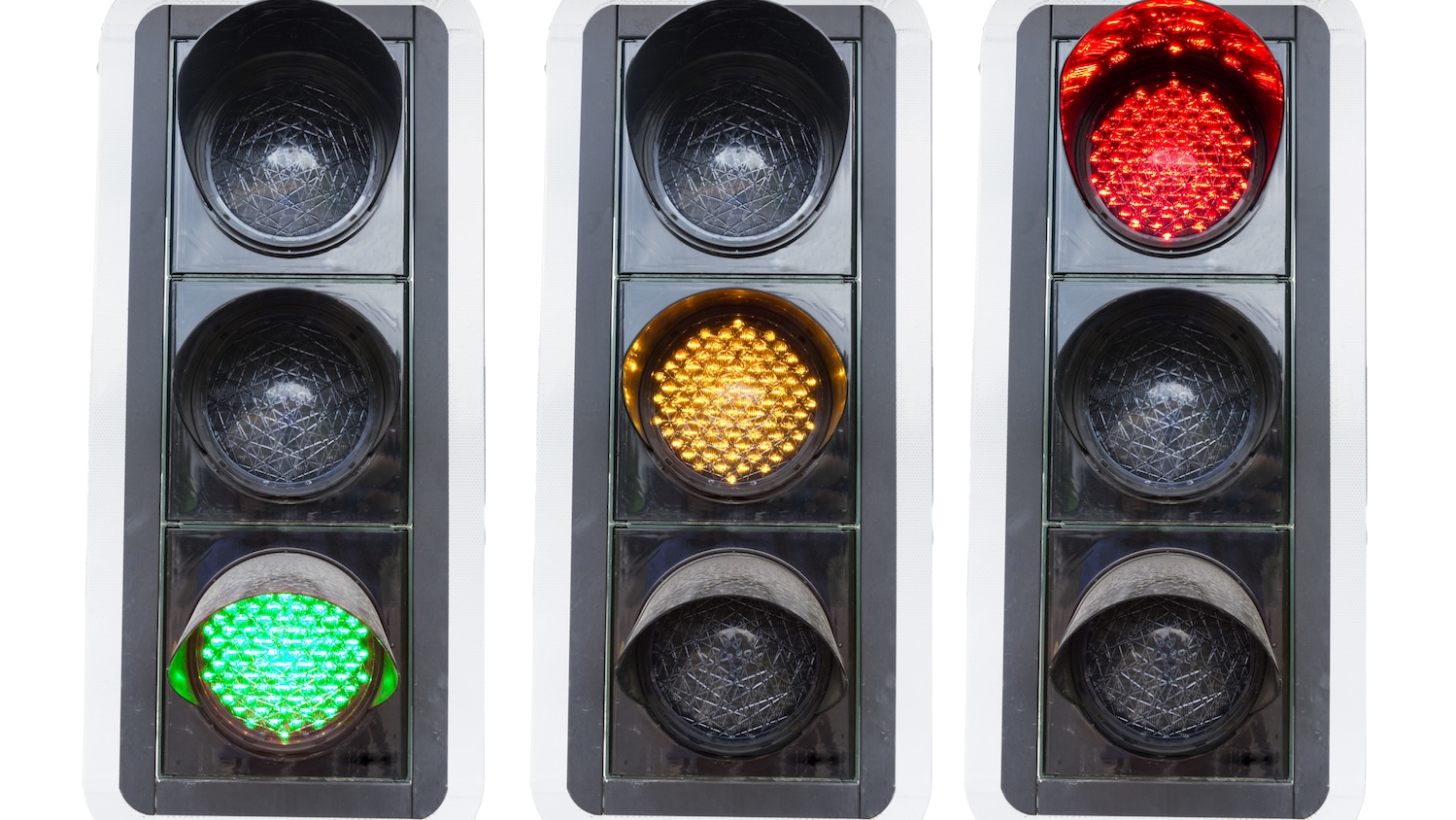
“As an example of this, our new early warning system, which uses existing Government Major Projects Portfolio (GMPP) data to flag projects at risk of moving to a red rating, is now being embedded into review processes. Over time, this will help us make support more preventative, not just reactive.”
A NISTA spokesperson explained the genesis of the early warning system: “NISTA has one of the richest sources of project data in government, drawn from across the entire GMPP. The tool was created to ensure NISTA can draw as much value as it can from this existing data and the new project data that comes in each quarterly report that GMPP projects complete.
“It looks at a range of specific data points, such as (but not limited to) costs and duration, and flags if any project has the potential to become red-rated soon. A project does not automatically become red because of this early warning; rather, it’s an early indicator that the data suggests it has the potential to become red soon, allowing project advisers to take appropriate action.”
The spokesperson then explained how it works: “The model itself is a random forest machine learning model [a machine learning algorithm that uses many decision trees to make better predictions – ed.], trained on project data collected over the year across government, such as project costs, milestones, risks, etc.
“By training this model on previously red-rated projects, we generate outputs that offer explainable insights into what drives project performance. From these, NISTA has established key indicators with associated thresholds; so if a variable exceeds a given threshold, it suggests that project’s underperformance.”
The early warning system is embedded throughout NISTA’s processes and is used only internally by its project delivery experts to support their work with departmental delivery teams managing individual GMPP projects. The spokesperson noted: “In the future, we hope to roll it out across the system so that departments can gain the same insight into their own projects’ performance, regardless of whether they are on the GMPP or not.”
Keep up to date with DC+: sign up for the midweek newsletter.