




26 days left to decide the future of information management
7 April 2026

Dirty truths, control not chaos and AI arbitration: catch up with some of the best digital construction stories of 2025 that you might have missed.
DC+ has already published the list of the most popular stories in 2025, but here are a handful of intriguing stories that caught the editor’s attention.
Isabelle Barron and Dr Melanie Robinson both won trophies at the Digital Construction Awards 2025: Digital Rising Star and Digital Construction Champion. How do their approaches to their digital construction careers compare? DC+ sat in as they interviewed each other.
This piece is timely as Barron has just been awarded an MBE for services to vocational education in the new year honours list.
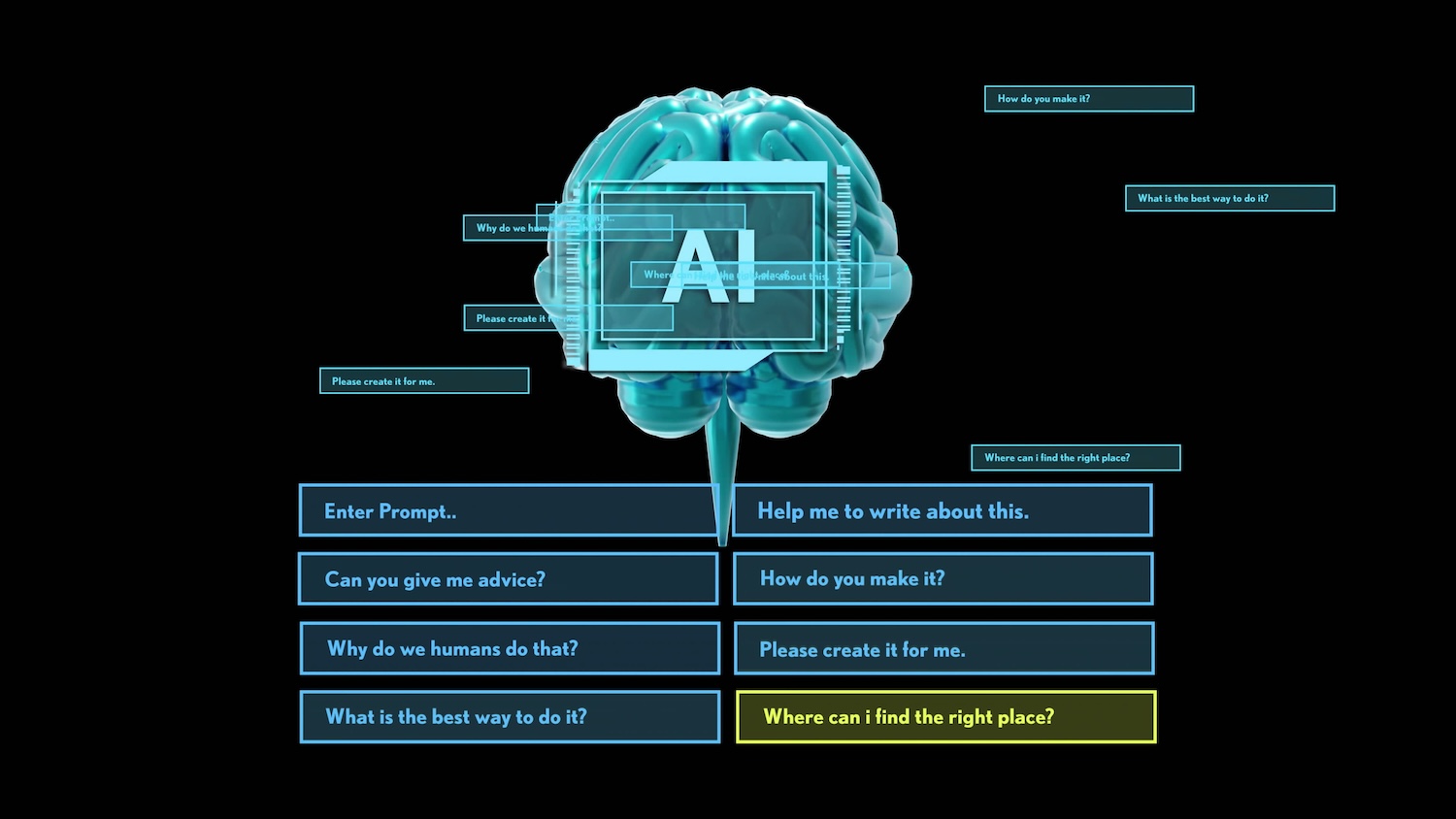
Stop being polite in AI prompts: you’ll reduce the environmental impact of data centres and you’ll get a better result. That was Okana associate Andrew Johnson’s message at July’s Women in BIM conference in Edinburgh.
Johnson said: “There are three rules: be direct – use your verbs [such as] summarise, create, explain, list, recommend and loads more; be specific; and be fluff-free – remove all the ‘justs’ and ‘pleases’ and the ‘thank yous’ – the AI doesn’t care. You’ll get a better response.”
There will always be design changes, but that doesn’t mean your information management should collapse into chaos. Lawrence Chapman, lead information manager at Sizewell C (and previously HS2), shared his method for controlling the chaos.
He wrote: “Design changes are inevitable, but uncontrolled information changes are not. By embedding a dedicated information management change process within the wider change control framework, projects can maintain integrity, traceability and assurance of their information assets. This approach ensures that the project remains compliant, efficient and ready for safe, effective operation.”
In this interview, Michelle Zompi, head of RLB Digital, revealed how her background in police intelligence shaped her data-driven approach to digital transformation, AI and information strategy in the built environment.
“We’d analyse an offender’s previous history – their transport methods, routes, target types – to predict where they might strike next. It was fascinating, forward-looking work, and it completely hooked me on data and what it could do,” she said.
What really happens to building information once a project reaches handover? That was the question Glider Technology’s Lucas Cusack answered.
“I suspect that many in our industry already share this truth: a 100%-compliant BIM handover does not guarantee usable operational information. The gap between what’s delivered and what’s actually useful for operations is wider than most realise,” he wrote.
Read the piece to find out his solution to the issue.
Sticking with the handover issue, Justin Kirby asserted that the “built environment is caught in a project-operations gap caused by the prioritisation of technical compliance of data over operational usability of that data”.
He then set out his human-centred solution and a minimum data handover requirement (MDHR). The latter should be applied during commissioning as a minimum viable product. The MDHR requires projects to shift the definition of ‘done’ from:
The social housing sector should adopt a technology-enabled, data-first approach to retrofit scoping, implementation and post-completion performance measurement, according to research commissioned by Lloyds Bank.
The research featured a pilot of Senze’s targeted retrofit tool by Bromford Flagship, a housing association that owns more than 80,000 homes across east, central and south-west England. The research found that the pilot’s data “validates the widely shared view that EPCs are often inaccurate in their estimations of thermal performance… Significant discrepancies were observed between individual homes’ modelled EPCs and their measured thermal performance”.
Would you trust AI in arbitration? This story highlighted how the American Arbitration Association-International Centre for Dispute Resolution (AAA-ICDR) has developed an AI arbitrator, designed to “meet the growing needs of parties facing an increasing volume of low-dollar value, document-heavy disputes”.
It was developed with “transparency and accountability in mind”, draws on established legal reasoning patterns, and is paired with human oversight – an AAA arbitrator who reviews, validates and issues the award.
LinkedIn (LI) has become one of the primary methods for the digital construction community to share and promote best practice. DC+ keeps a keen eye on LI for tips, stories and new voices.
Among all the detail and the debates, the most powerful LI post in 2025 was written by Pam Bhandal, EMEA head of marketing at Revizto and Digital Construction Champion of the Year 2024. In the aftermath of Digital Construction Week, she asked: “Why don’t we talk? Why don’t we share?” Cue a new year resolution…
Keep up to date with DC+: sign up for the midweek newsletter.