
How Peri’s investment in digital concrete monitoring 10 years ago is paying off
11 August 2026
CLM Fireproofing needed real-time visibility of its works as it scaled rapidly in size. It adopted the Onetrace platform – and is reaping the benefits.
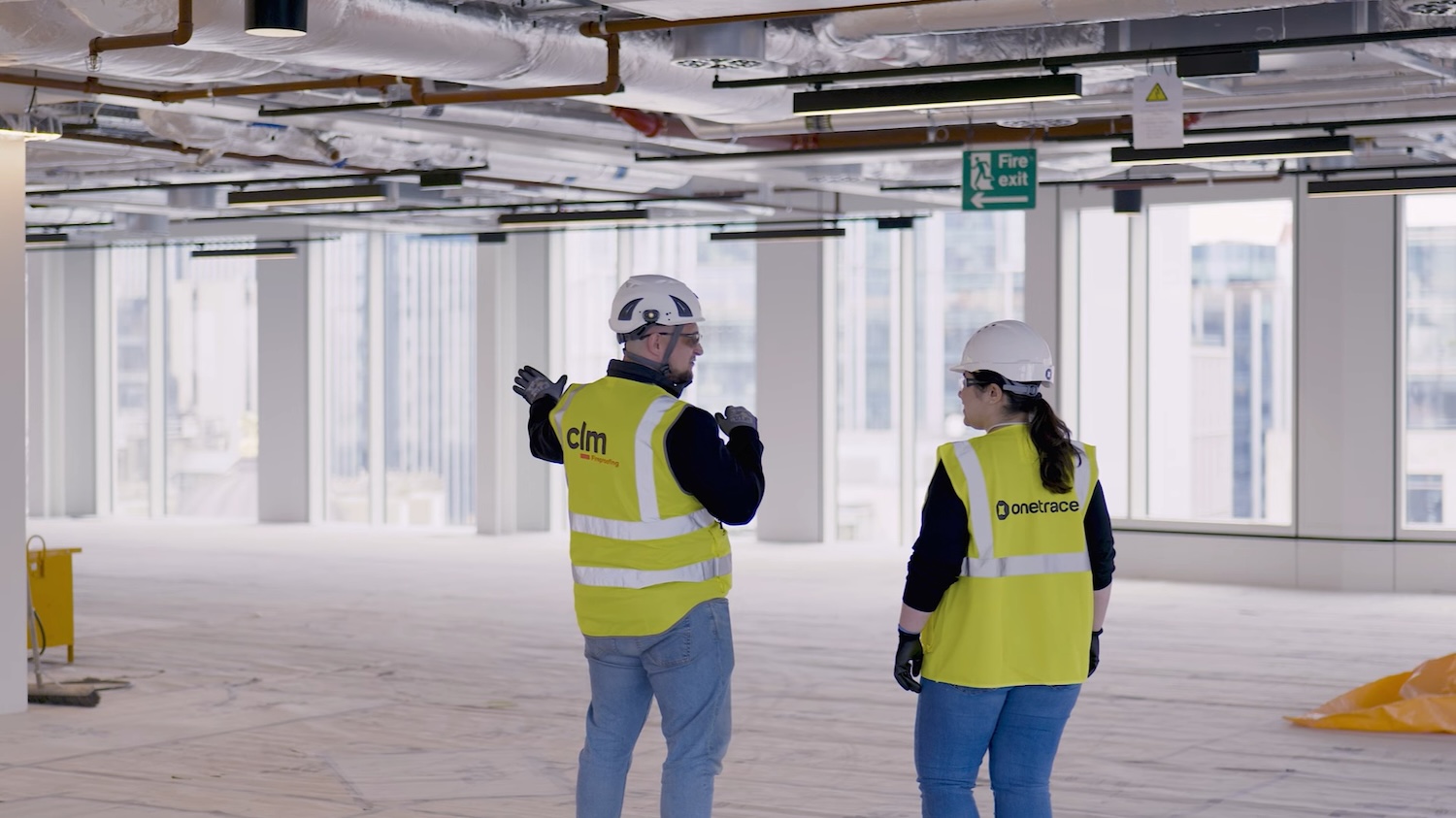
With hundreds of operatives across multiple live sites, CLM Fireproofing had reached a point where its existing data management and reporting processes could no longer keep pace with the complexity of its operations.
Founded nearly 40 years ago by chairman Clive Miles, CLM has grown into a leading UK contractor in passive fire protection, delivering major programmes for tier 1 firms including Mace, Sir Robert McAlpine, Multiplex and Skanska. Its services span firestopping, structural steel protection, fire doors and BIM consultancy, operating across both public and private sectors.
That growth, from a workforce of around 20 to several hundred, brought a familiar challenge: maintaining consistency, compliance and client confidence at scale. What the business needed was a reliable, single source of data and reporting accessible to managers and operatives alike.
During its early years, CLM relied on handwritten records and carbon paper pads. The business had recognised the need to modernise early on, but while initial digitisation attempts improved accessibility, they also brought new frustrations, including slow systems, fragmented data and reporting processes that still relied heavily on manual intervention.
Charlie Blancke, CLM director of digital transformation, recalls the process: “Before all the digital records were introduced, everything would be done manually, handwritten on paper. On site, the operatives would fill in a record sheet for what they’d carried out throughout the day, handwritten against the label tags. Likewise with drawings – they’d all be physical printed drawings on paper, and we would handwrite and mark up all the locations.”
Generating reports often meant pulling information into spreadsheets over weekends, while contract managers had limited visibility without physically visiting the site. To solve these challenges, CLM worked with Onetrace, a subcontractor operations and compliance platform, to improve how it manages quality, compliance and reporting across projects.
Already committed to a digital transformation journey, CLM had previously adopted a software solution to move beyond those paper-based processes. However, as the business grew and its operational demands increased, that system was no longer keeping pace. Onetrace was selected to replace it as CLM identified that it would provide the performance, flexibility and depth of functionality required.
The transition to Onetrace was completed in just two months, alongside a wider ERP rollout. Following an initial bedding-in period, the platform is now used daily across the business, from site operatives through to commercial and document control teams. Since implementation, CLM’s operations team reports that administrative time has been reduced by around 50%.
Greg McClelland, co-founder of Onetrace, says: “Subcontractors like CLM must stay on top of a long list of projects that often demand quick, accurate decisions while considering complicated, multi-layered factors. Having the necessary information at your fingertips when making these decisions is vital.”
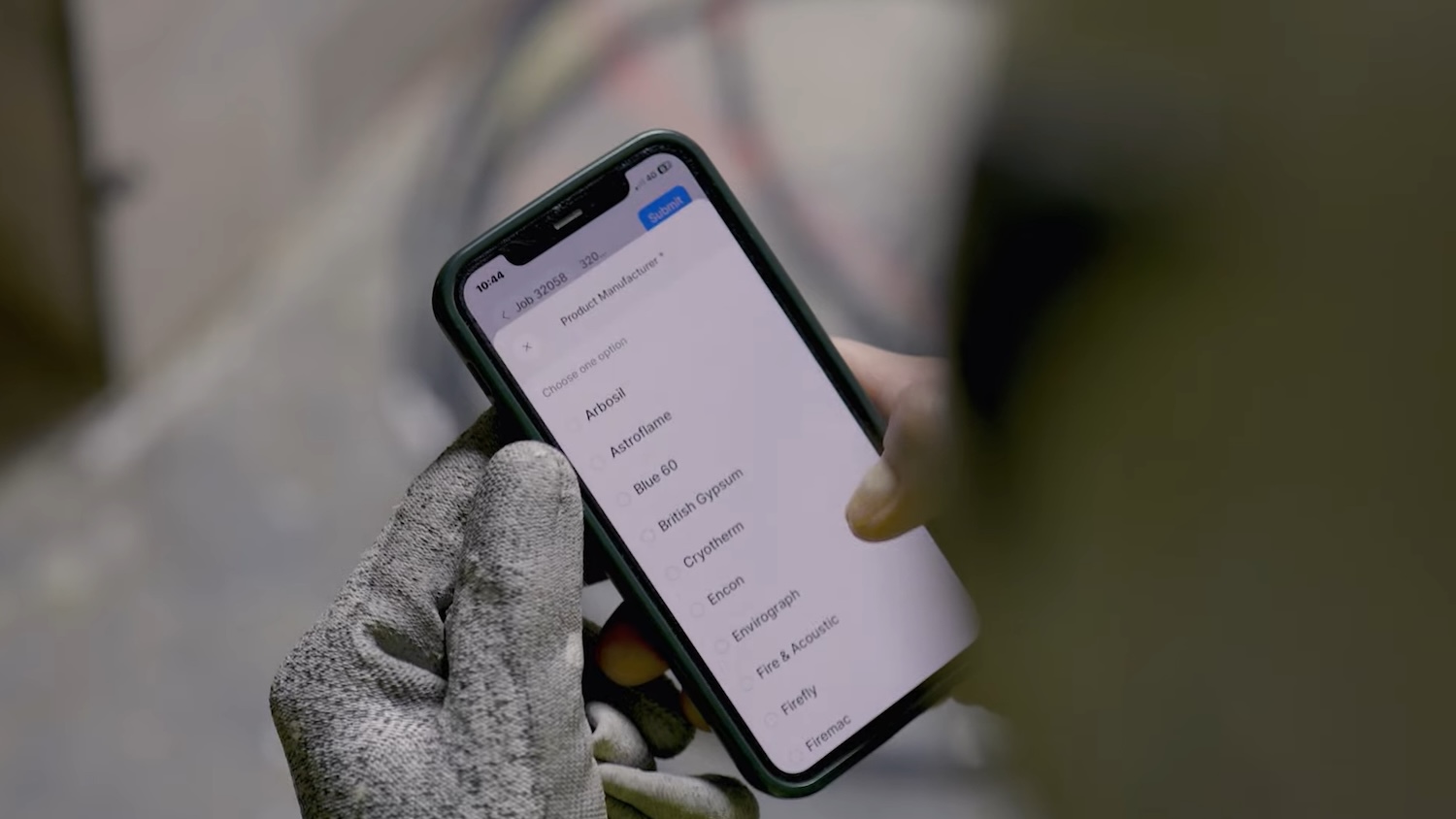
Accuracy at the point of capture is critical. Firestopping records require precise measurements, materials data and photographic evidence at each stage. Even a minor input error can have commercial implications – either underclaiming or overcharging.
“We worked closely with CLM to ensure that their reporting mechanisms allowed them to reliably record data and that it was readily available when required, whether that’s for a team member or another project stakeholder, and whether they’re onsite or in the office.”
Previously, quality assurance for CLM was largely retrospective. Errors would surface late, and correcting records was time-consuming. With structured approval workflows now in place, records are checked before completion and returned directly to the operative if amendments are required – catching issues earlier rather than at handover.
To provide management with immediate visibility of performance trends and to enable earlier intervention where required, CLM has introduced live dashboards to track productivity by site and operative.
Will Naylor, CLM chief operating officer, notes: “We can look at, on a day-to-day basis, a week-to-week basis, or a monthly basis, how productive our teams are, and then I can look through what’s not working quite as well as other projects and focus my time where it’s really needed.”
Another notable shift has been how CLM engages its clients. Access to Onetrace is provided from a project’s outset, allowing real-time visibility of progress and, in some cases, direct sign-off within the system.
On projects where client-side approval is required before works are marked complete, this has streamlined sign-off processes. It has also improved coordination with other trades by ensuring that up-to-date information is always available.
As data is captured in real-time on site, reporting no longer requires retrospective collation or reformatting. Information flows directly from site records into client-ready outputs.
Heather Eldridge, operations manager at CLM, says: “We have most definitely halved the amount of time we’re spending on discrepancy identification, pulling off the reports, formatting them even. Where it’s automatically done from the system for us, it’s a case of doing that once-over final check, and we’re able to move on to the next.”
The impact is particularly visible in document control and the production of operation and maintenance manuals, as well as in high-volume programmes such as fire doors, where administrative overhead would otherwise scale significantly with output. Thanks to this, the impact of digitisation is no longer measured purely in time saved, but in control gained.
In a sector where compliance, traceability and accountability are under increasing scrutiny, having robust yet accessible data is only becoming more essential.
For CLM, what began as a move away from paper-based processes has evolved into a foundation for confidently delivering consistent quality at scale.
Keep up to date with DC+: sign up for the midweek newsletter.