

Information managers, you’re not alone
2 November 2026
How much time do you spend on the work around the real work each week – rebuilding reports, chasing updates, re-entering data, aligning your view of project progress with everyone else’s? Reducing this work around the work is a key theme of Morta’s community day on 12 November. Henry Fenby-Taylor reports from behind the scenes.
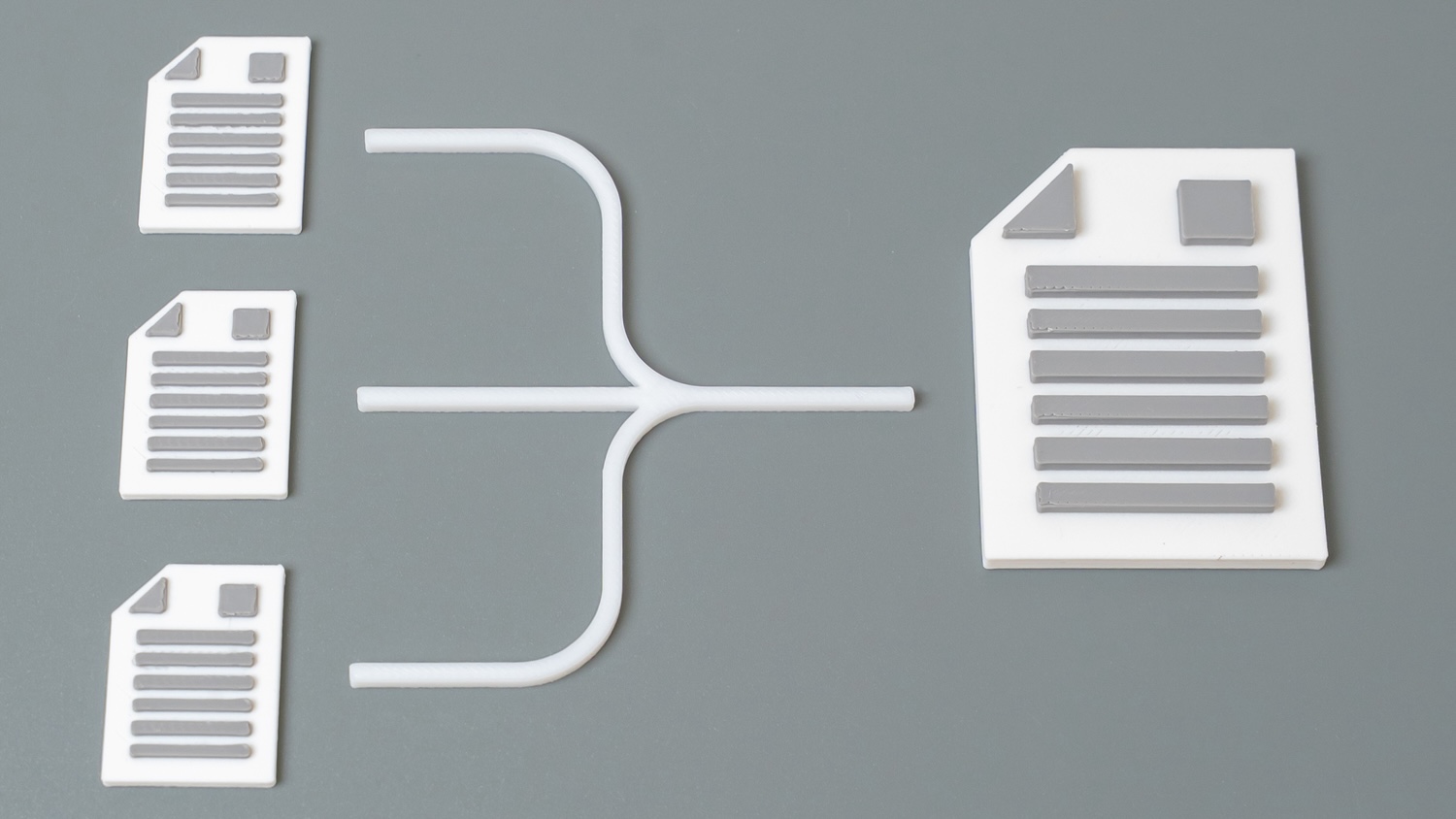
We were all promised that technology would make our lives easier, that we could focus on the important work, on quality. Despite this, projects continue to suffer delays, cost overruns and safety challenges. The problem is that in many cases, when a new tool is added to our workflows, it doesn’t remove steps; it adds them. This can make conversations with leadership very difficult when there’s a new tool or technique we want to implement.
This is a two-part problem: one of coordination and one of communication. If we just add another tool and another, add a new process alongside existing ones, then of course this means more work.
This year, Morta CEO and co-founder Mo Shana’a has curated sessions for the community day that connect information to reduce the work around the work, delivered by the people who are making it happen.
Jonathan Marshall, digital director at Arcadis, is one of those people. He says: “We’ve always felt that digital should make people’s jobs easier, not give them another thing to do. If we can capture information naturally as part of the work, connect it across people and systems, and reuse it for reporting and decisions, everyone benefits. For me, that’s where digital really adds value: quietly improving how the work gets done. Through our Assured and Data-Led initiative, we’re connecting people, information and systems so that what we create through everyday delivery can also support reporting, assurance and better decisions.”
Dr Ben Jowett, head of digital transformation at SES, adds: “The opportunity goes beyond digitising individual activities; it’s about connecting our people with accurate information and streamlined workflows so that outputs become a byproduct of the work, rather than an additional task on the to-do list. By making information more structured, connected and accessible, we can create a stronger foundation for better decisions today and more intelligent, integrated ways of working tomorrow.
“For me, that’s where digital creates real value: not simply improving how we work today, but reimagining what becomes possible tomorrow.”
The principle of implementing lean processes that produce deliverables as a byproduct of the work applies across the construction lifecycle. The community day begins with a series of showcases, starting with Mariane Peixoto Costa from Bechtel detailing how integrated requirements management connects delivery phases, ensuring decisions and lessons learned carry from one stage to the next.
Fay Prater and Dylan Dawes from Arcadis then take that into information management, using information delivery planning to configure and manage ProjectWise so that delivery is driven by the work, and the planned versus actual can be compared consistently across projects.
On site, Memory Mambo from Therme Group will show how integrating site reporting and quality checks provides evidence that accurately describes construction progress that the whole project team can rely on. Rui Maurício from Morgan Sindall Construction follows that information through to handover, connecting design and supply chain asset data to resolve discrepancies and deliver a complete handover package without manually sifting through thousands of rows in a spreadsheet.
John Simpson from PartB will share its connected workflows that make generating reports and fire safety certificates a byproduct of the professional work rather than a separate, secondary task.
When information is connected, organisations can take a joined-up approach. Neil Pattinson from United Infrastructure kicks off the value and operating models talks to discuss how connected business data is being used to manage and coordinate corporate improvement initiatives and their project management offices. Demonstrating the value of these initiatives gives leaders a clear investment case.
Jonathan Sims and Dr Ben Jowett from SES join Nick Zervoudis from Value from Data & AI to share how measuring business impact and framing it in business terms builds support for digital initiatives and secure investment.
Demonstrating value gives organisations the proof they need to scale and connect their delivery with increasingly ambitious initiatives. Two panels will explore what this means for main contractors and multidisciplinary design consultancies. Scott McGovern from the Civil Works Alliance at Sizewell C, William Baker-Jones from Kier Infrastructure and Nick Leach from Sir Robert McAlpine will bring the main contractor perspective; while Ian Besford from Mott MacDonald, Jonathan Marshall from Arcadis and Rafael Lucero from Parsons will explore connected working in multidisciplinary design.
Alongside their own initiatives, the Morta community is pooling its experience to create community assets that demonstrate best practice the whole industry can use. Ryan Tennyson from the Scottish Futures Trust will share a new, publicly available portal that enables clients and industry to consistently specify and deliver tailored project and asset information requirements using their standard information management plan resource.
Finally, Andy Boutle from ALEC, Al Binns from Jetpac and Ben Smith from Morta will close out the day by showing how a school demonstrator project connects standards and best practice from different disciplines across the construction lifecycle.
The Morta Community runs from 1pm to 6pm on 12 November. Register here.
Keep up to date with DC+: sign up for the midweek newsletter.