



Digital twin standard published by BSI
16 March 2026

NBS and the authors of the ICE carbon database, Circular Ecology, have published a guide on how to apply carbon values to BIM objects.
The NBS Guide: Embodied Carbon Calculations – How to apply carbon values to BIM objects tackles the persistent fragmentation of embodied carbon data, a critical challenge preventing designers from making choices that could significantly reduce a project’s carbon footprint. The new guide addresses this gap by providing a practical framework for embedding upfront carbon data (Modules A1-A5 as per BS EN 15804) directly into BIM objects.
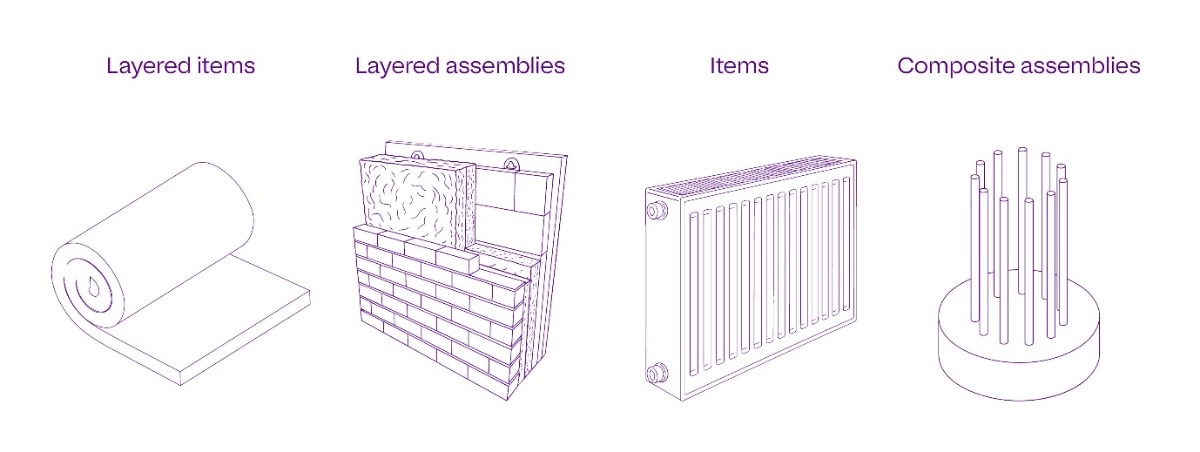
As part of the guide, four distinct BIM object types are mentioned:
For each type, it details the methodology for calculating embodied carbon by multiplying quantity by emission factors, and important factors such as material densities. The guide aims to translate and simplify existing principles into the practical realities of implementation to BIM object information, enabling designers to make better carbon decisions during the design process.
Dr Lee Jones, co-author of the guide and head of sustainability at NBS parent Hubexo, said: “Every design decision made without embodied carbon data is a missed opportunity to reduce our industry’s environmental impact. This guide gives designers the tools to make informed carbon choices from day one. We’ve translated complex standards into practical methodology that works within existing BIM workflows. The result? Transparent, consistent carbon data that enables comparisons and supports the construction sector’s transition to net zero.”
Keep up to date with DC+: sign up for the midweek newsletter.