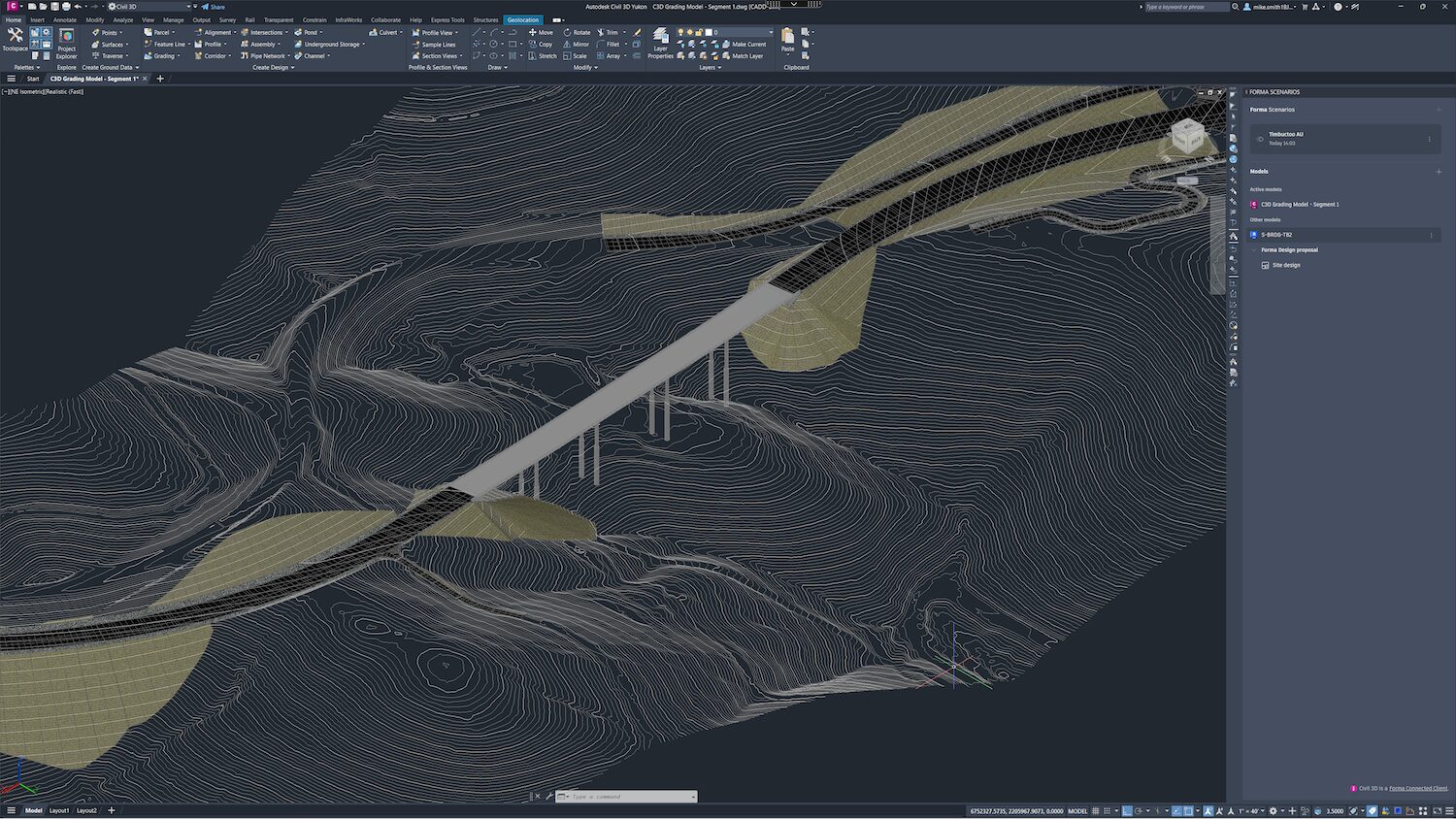



Autodesk boosts civils functionality
15 September 2026

At Digital Construction Week (DCW), Endra will show how work that used to occupy a team of engineers for a fortnight can be reduced to just day or two, says CEO Niklas Lindgren.
Niklas Lindgren: We bring the purpose-built platform for MEP engineering to life, using spatial AI, physics and simulation, and connecting 3D modelling directly with engineering workflows. MEP is the discipline that determines whether a building actually works: how it’s powered, how it’s heated and cooled, how every cable, pipe and duct routes through the structure. Yet most of that work still happens across a fragmented stack of tools that were not designed to talk to each other: CAD, BIM, spreadsheets, calculation software and simulation packages, all stitched together by engineers manually moving information between them. Endra closes that gap.
We treat the 3D model as the single source of truth and let engineers reason about a building the way it actually exists in space, with physics-based simulation and spatial AI doing the heavy lifting underneath.
Endra is a before-and-after moment for MEP engineering. We’re showing how the world’s leading consultancies are moving from drawing their designs in Revit to computing them in Endra – a purpose-built, generative platform for MEP that produces 3D models, schematics, drawings, schedules and calculations from the architect’s model, then syncs natively back into Revit.
The problem we solve is the one every building services team in the UK already knows. Today, most of the work is done within Revit – engineers spend hundreds to thousands of hours per project manually placing units, drawing containment, sizing cables, generating schematics and reconciling schedules. The discipline-defining decisions – code interpretation, system topology, manufacturer selection, coordination across mechanical, electrical and public health – get squeezed by production work.
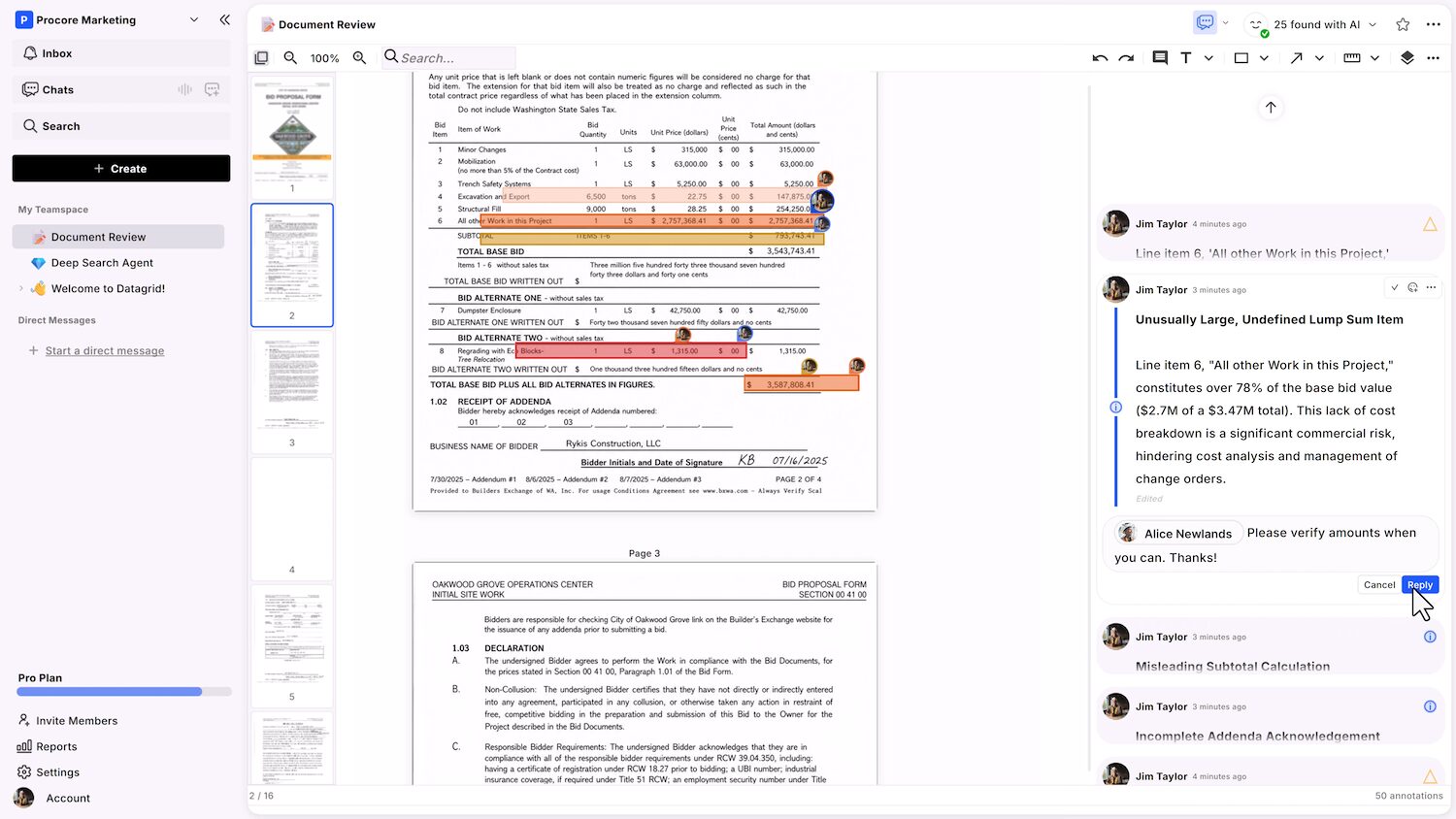
Endra collapses that. In customer engineering validation sessions, firms have seen efficiency gains of 12 to 85 times faster. A project that traditionally would have taken 50 hours took two in Endra, including model, schematics and zoning drawings – outputs traditional 50-hour methods wouldn’t include. What used to take months can be produced in hours, and the implication for owners, contractors and end clients is significant: teams reach the harder problems sooner, get real time for QA/QC, and have room to evaluate manufacturers on price and performance. These are the decisions that meaningfully change project outcomes but rarely get the attention they deserve under current timelines.
Crucially, Endra is built around how UK consultancies actually work. It supports RIBA Stages 2, 3 and 4, takes the architect’s model as the starting point, and is bi-directionally linked with Revit, with your own families translated one-to-one. Everything is tied to each other, so model, calculations, schedules, schematics and drawings update simultaneously, thereby eliminating the decoupling between 3D, schematics and calcs that today causes errors, rework and on-site disputes.
Beyond speed, Endra gives firms a way to store and productise their engineering knowledge. The judgement, standards and design logic that today live in the heads of senior engineers, and in inconsistent formats across offices, can be captured inside the platform as design profiles and applied consistently across every project, and increasingly offered to clients as products in their own right. That’s a fundamental shift in what an MEP consultancy can be.
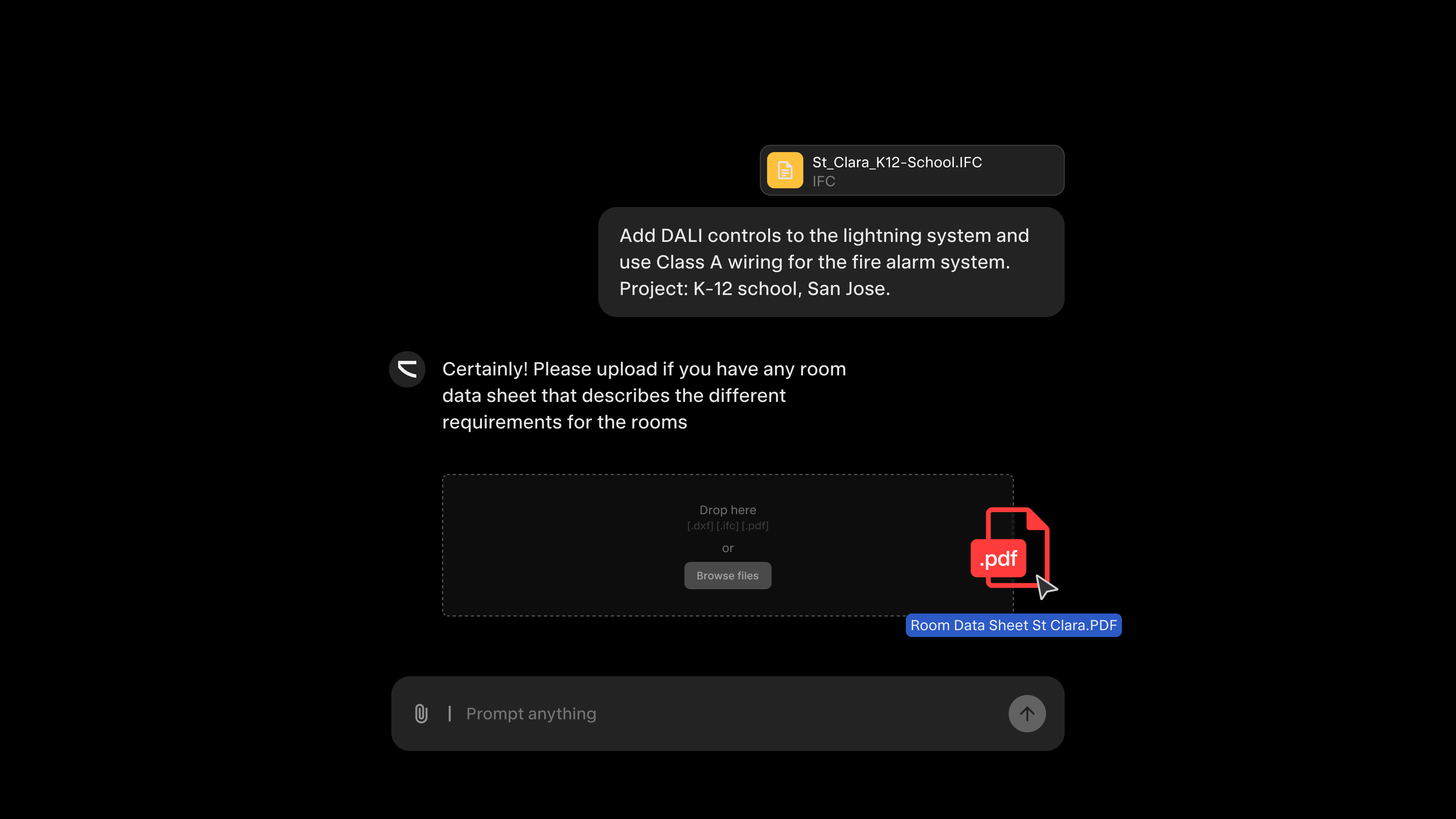
At DCW, we’ll be running live walk-throughs on real UK projects from the show floor: architect’s IFC in, fully coordinated MEP design, schematics, panel schedules and drawings out, synced back into Revit – in the time it takes to grab a coffee.
Some of the largest UK engineering consultancies. We can’t publicly say who – yet. Several will be announced on 1 June, just ahead of DCW itself. What we can say is that across the engagements we’ve run, the worst business case we’ve seen has shown a 12 times efficiency increase.
In practical terms, it means work that used to occupy a team of engineers for a fortnight can be turned around in a day or two, with equal or better quality of output. As a result, teams can explore more design options, give clients tighter feedback loops, and take on projects that previously would have been written off as too time-constrained to deliver well.
D710.
Keep up to date with DC+: sign up for the midweek newsletter.