


The Future of Digital Construction Report 2025

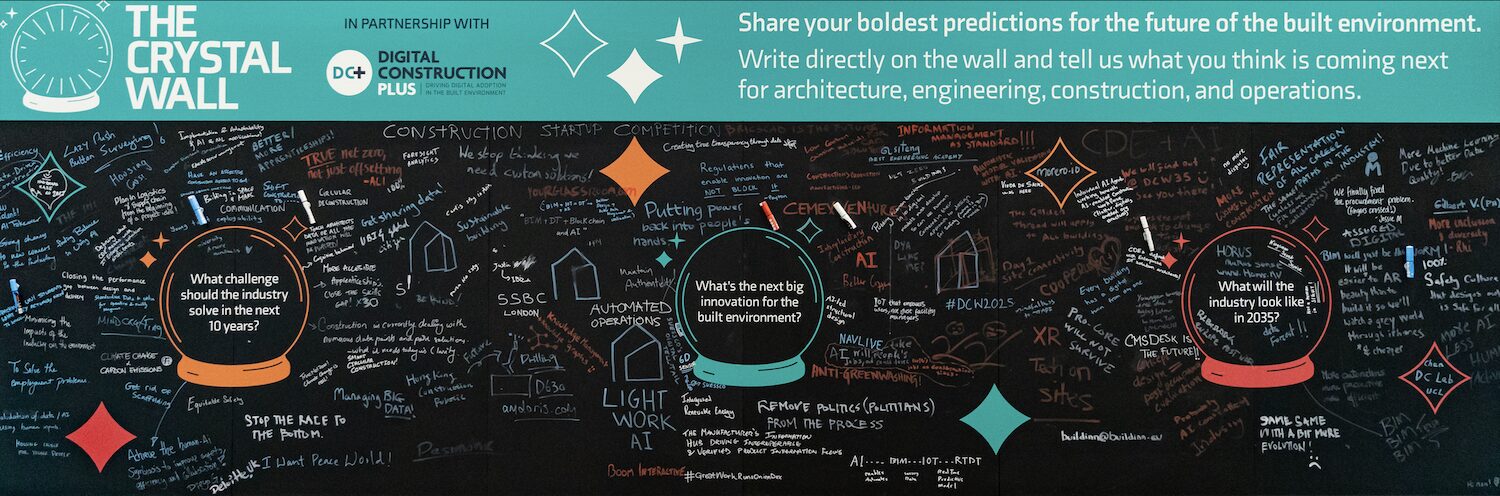
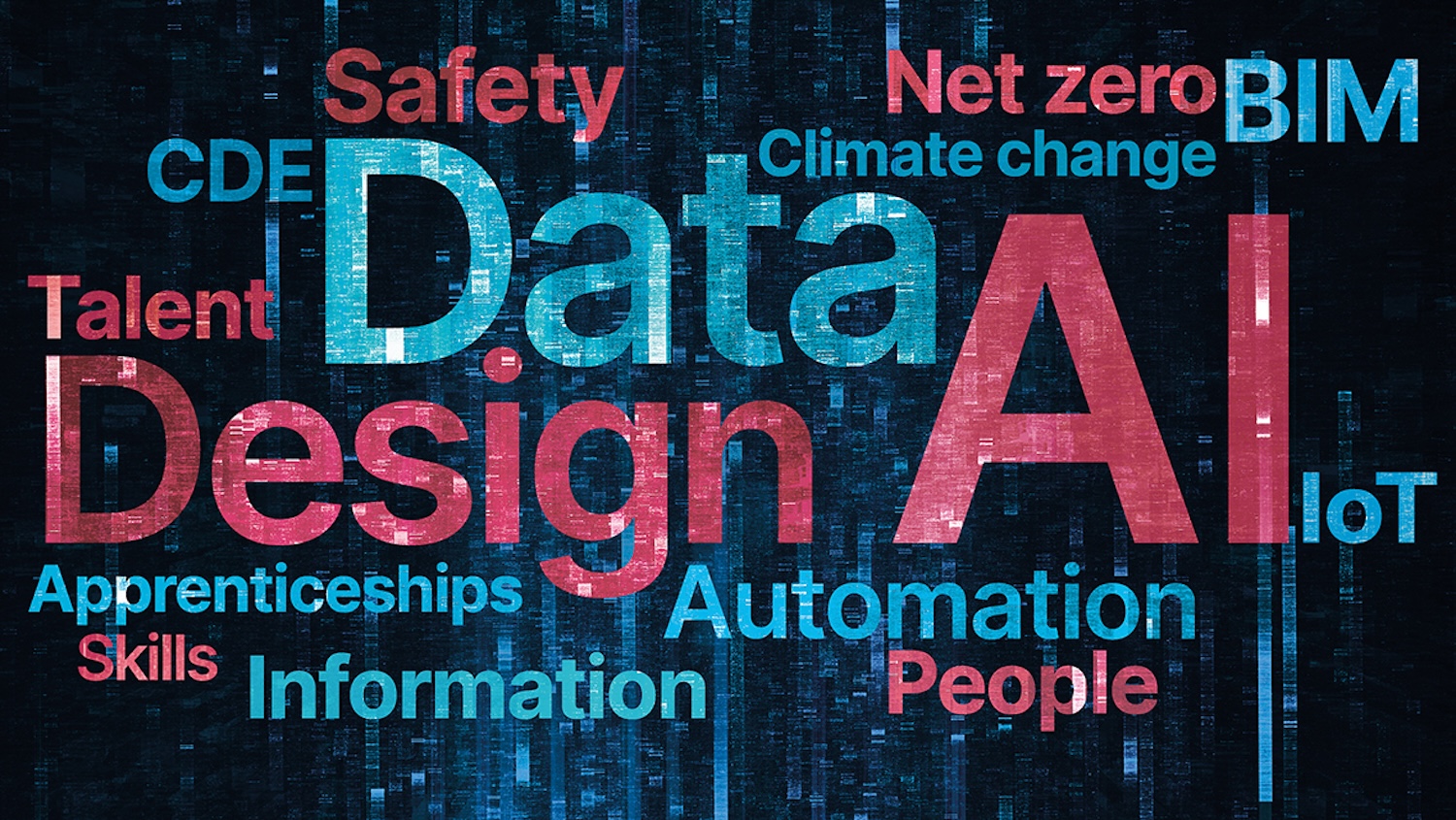
Skills and HR issues, AI (both as a benefit and a threat), data and sustainability were the main concerns about the future among Digital Construction Week (DCW) attendees. Read DC+‘s exclusive analysis of the attendees’ hopes and fears, in association with MCS Rental Software.
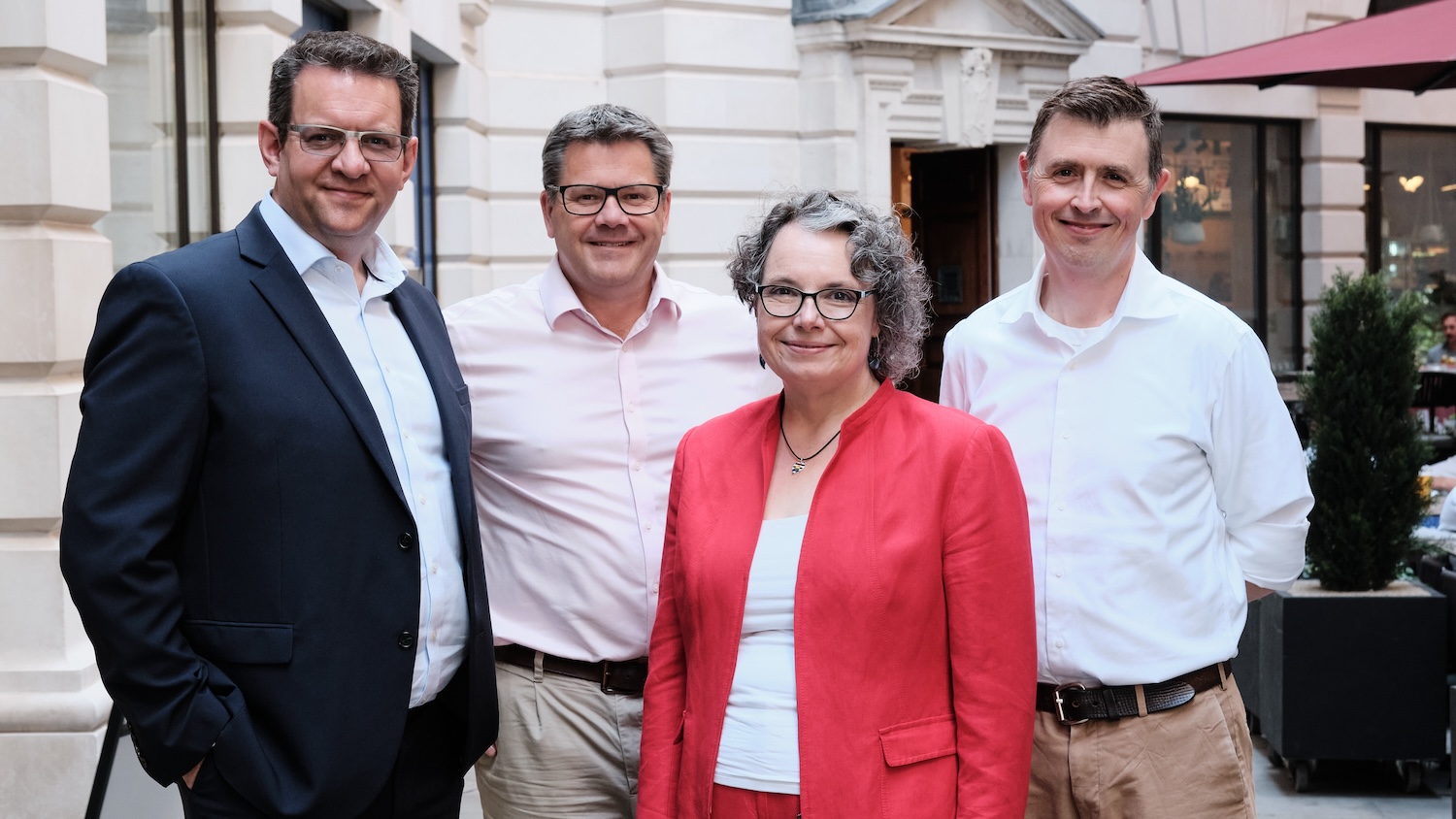
Future-gazing: Paul Drayton of Laing O'Rourke

What challenge should the industry solve in the next 10 years?

We must improve digital literacy. It’s crucial to raise awareness of the available tools, understand how they can help, and build confidence in using them. This requires comprehensive education throughout our careers, beginning with integrating digital literacy into education syllabuses and ensuring all organisational levels have access to appropriate training.

What’s the next big innovation for the built environment?

An integrated end-to-end process encompassing design, manufacture, procurement, construction, commissioning and handover: this approach will reduce handoffs, enhance automation, and eliminate substantial amounts of work, all accelerated by AI’s capabilities.

What will the industry look like in 2035?

Embracing MMC and DfMA will dramatically improve safety, quality and working conditions while mitigating delivery risks. The pace of project completion will be astonishing.

Future-gazing: Brett King of Procore

What challenge should the industry solve in the next 10 years?

Closing the gap between knowing and doing. We already have the tech, data and regs to build safer, greener, more efficient projects, but adoption is patchy. Make doing the right thing the easiest thing, from site to C-suite.

What’s the next big innovation for the built environment?

The jobs our children – and their children – will do don’t exist yet. They’ll drive innovation by how they use tools, tech and data. The real leap will be killing silos so those tools talk to each other and decisions flow seamlessly across the lifecycle.

What will the industry look like in 2035?

More connected, more accountable and truly data-driven – with every asset carrying a living digital record from day one. Leaders will be those who embrace transparency and collaboration, not just tech.

Future-gazing: Michelle Zompi of RLB Digital

What challenge should the industry solve in the next 10 years?

Consistency: let us start to talk as one. The industry is so disparate with so many conflicting standards, classification systems, ontologies: we need to get aligned! This will help us create a market driven by actual tangible needs of our asset owners rather than the wants and assumptions of software vendors. We can stop being told what we need, instead we should tell what we need.

What’s the next big innovation for the built environment?

I see it being about a new approach to technology and how we use it to facilitate the things we do. Holistic construction: the way it all works together, connected systems and software, streamlining work throughout an asset’s lifecycle, including how we create a circular economy through decommissioning and deconstruction. Maybe a central materials catalogue for sustainable sourcing and reusing of materials, with incentives for use.  

What will the industry look like in 2035?

Busy as ever, but possibly not hugely different on the face of it. We will still be building core infrastructure, but more aligned to our sustainability goals. We may approach some of that infrastructure differently, so autonomous-driving-only roads. The biggest difference will be the shift to a client-driven approach as more and more owners become strategic in how they want to collate and control their data and their information. 

Future-gazing: Nick Thomson of MCS Rental Software

What challenge should the industry solve in the next 10 years?

Closing the productivity gap. Construction and rental still lag behind other industries in efficiency, largely due to fragmented data and outdated processes. The challenge is as much cultural as it is technical, moving from manual, reactive ways of working to collaborative, AI-driven decision-making. By embedding real-time insights into everyday operations, we can deliver projects faster, safer and more sustainably.

What’s the next big innovation for the built environment?

AI: by embedding AI-driven tools across construction and rental operations, businesses can shift from guesswork to evidence-based decisions. AI-powered search on the construction site will give teams instant answers, advanced analytics will highlight performance trends, and predictive maintenance will keep assets in peak condition. With AI-enhanced reporting and telematics, businesses will gain real-time visibility into utilisation, costs and carbon impact. This isn’t just a tech upgrade, it’s a strategic shift that will future-proof the industry and redefine how we design, build and operate.

What will the industry look like in 2035?

Hyper-connected, low-carbon and surprisingly creative. AI will be embedded in most operations, from the equipment fleet to project planning, which will eliminate inefficiencies, while humans focus on innovation, design and relationships. Projects will be circular by default, with materials tracked and reused endlessly. Think less “hard hats and paperwork”, more “headsets and collaboration”.

Story for Digital Construction Plus? Get in touch via email: [email protected]