



It’s chilly and wet now, but the heat will return. Here’s how tech can help
20 October 2026

Don’t wait for the single construction regulator to demand that your building information is machine-readable: adopt FAIR principles for digital building control now, states BSRIA’s John Taylor.
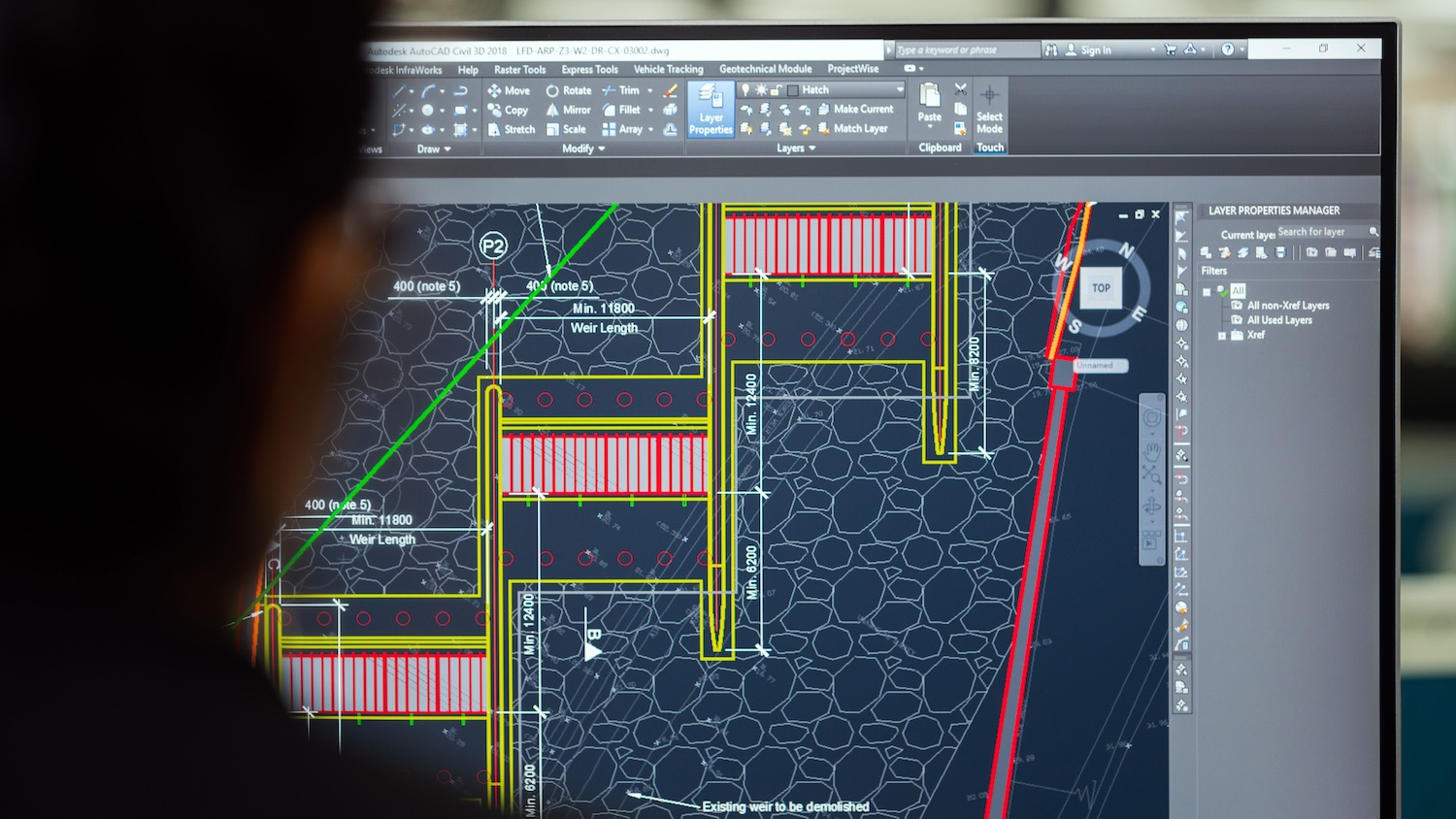
You can produce a perfectly coordinated model and still have a problem. If the information that comes out of it can be read by a person, but not parsed by a system, it will most likely struggle, given the direction building control is now expected to be taking.
That is a key, but overshadowed development, that’s emerging from the government’s projected reforms.
Considerable media and industry attention has gone to the proposed single construction regulator, following the response to the Grenfell Tower Inquiry Phase 2 report – and rightly so. But another theme keeps surfacing: information, and specifically whether it is structured for both human and machine readability.
Recommendations in the Building Control Independent Panel report, and the anticipated Digital Building Control Roadmap, point towards a single national digital building control system. It would be built on national data standards and automated data capture, feeding real-time, risk-based oversight. For those of us who work in digital construction, that is the part to sit up for. A compliant design will no longer be enough; it will also need to be processed by a system, not only opened and interpreted by a person.
If automated and AI-assisted validation is where building control is heading, and the signals suggest that’s likely, then formatting and structure stop being minor administrative concerns. They decide whether a submission can be assessed at all. Information that a person can read but a system cannot analyse is a setback waiting to happen.
“The shift to machine-readable information is worth preparing for now. Begin by treating the structure of your information as an early design decision, not a task for handover.”
There is a useful way to describe what good information looks like in this context, borrowed from the research world. FAIR data is: findable, accessible, interoperable and reusable. Most people reading this will already know the acronym from other data disciplines. The point is to apply it consistently to construction information, where it has not always been the default.
Findable means information can be located when it is needed, not buried in an email exchange or stuck on a USB stick. Accessible means the right people can securely reach it when they need it, across design, construction and the life of the building. Interoperable means it can move between systems and disciplines without being rebuilt each time.
Last, but not least, reusable means a building’s information ought not to be recreated from scratch. It should carry forward, and be structured and attributable, from initial design through to construction, handover and occupation.
That is where a lot of projects still come unstuck. The model is coordinated, the data is there, and then it is produced, used during construction, but effectively abandoned after handover, when the operations team finds they cannot use it. FAIR is the opposite process. It’s a single thread of information that holds its value across the whole lifecycle, and stays legible to the systems that will increasingly act on it.
This is not theoretical. Parts of the industry have been building frameworks around structured, accountable information for several years. BSRIA’s BG6, a design framework for building services, keeps a live record of what information should be produced, by whom and who else needs to be involved, whether they’re supporting or reviewing. BG6 can be used to assign responsibility for Gateway submissions, for maintaining the golden thread and for identifying contractor-designed portions as a project develops.
The Construction Leadership Council is making a related case: its 2024 guidance frames the golden thread as good information management to be actively used. Additionally, its Information Management Initiative, run with nima, and its Construct AI programme are built around the idea that structured, connected information is what makes emerging technology actually work, from digital twins to AI-assisted compliance. When viewed against FAIR principles, the direction of travel is clear: information is becoming a strategic asset for our industry.
The single construction regulator is expected to shape how the industry is governed, and that is important. But the shift to machine-readable information is worth preparing for now.
Begin by treating the structure of your information as an early design decision, not a task for handover. Be clear on every project about who is responsible for safeguarding and reviewing specific information, and keep that record live rather than reconstructing it later. Assume that what you submit will one day be read by a system as well as a person, and produce it accordingly. And treat the golden thread as an ongoing working practice, not something to be hastily reassembled to please a regulator.
None of this means waiting around for the government to agree on the Digital Building Control Roadmap. It can start with your next information schedule: does each entry have a name and a date against it? And is that record kept live once the project moves on? The quicker you get to ‘yes’, the further your organisation will progress.
Keep up to date with DC+: sign up for the midweek newsletter.