


Graphisoft’s 2026 updates pave the way for more AI workflows
12 October 2026

Sellafield staff are carrying out inspections of largely inaccessible areas of the nuclear power plant with a smartphone camera fitted to a flexible pole.
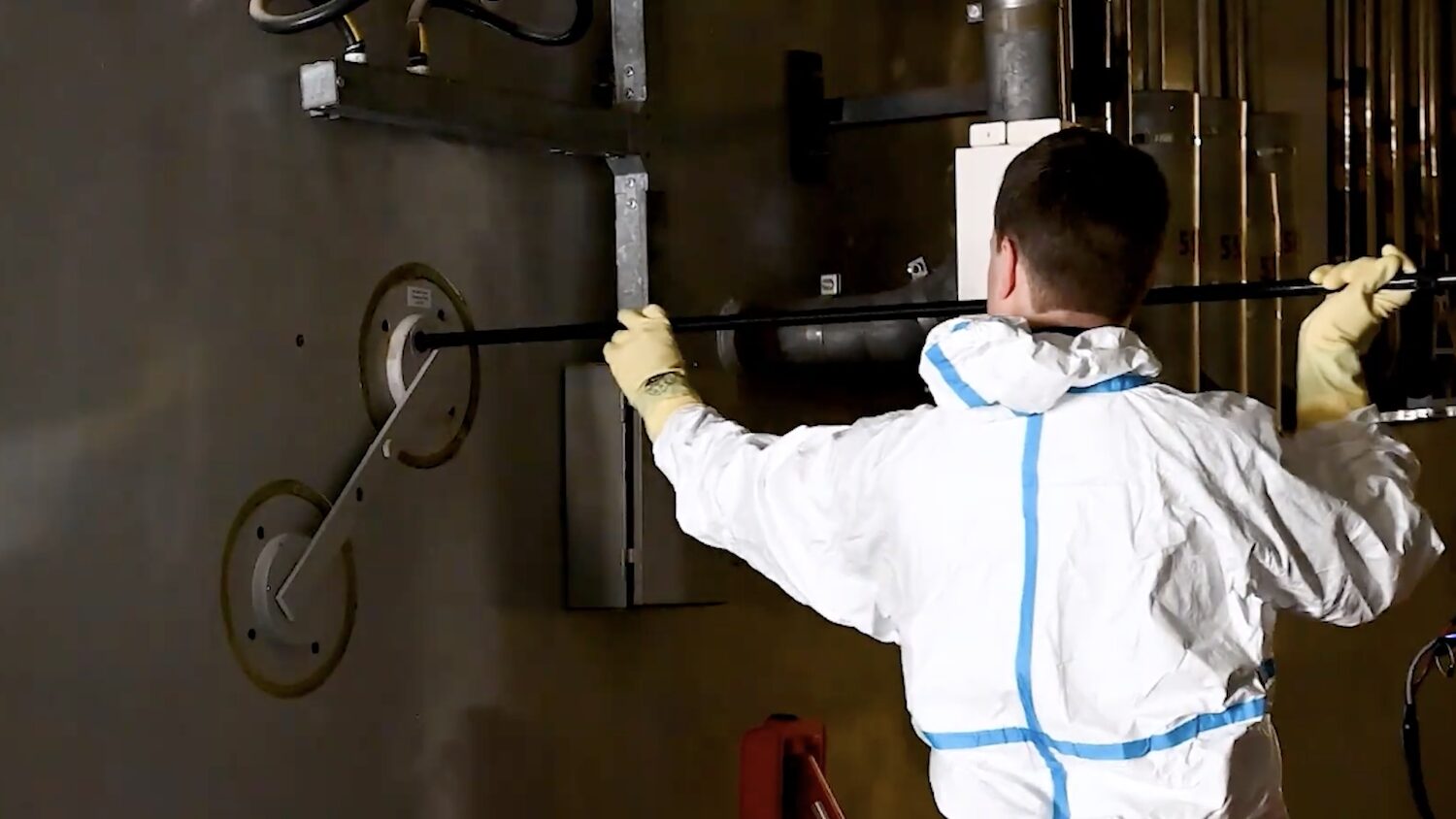
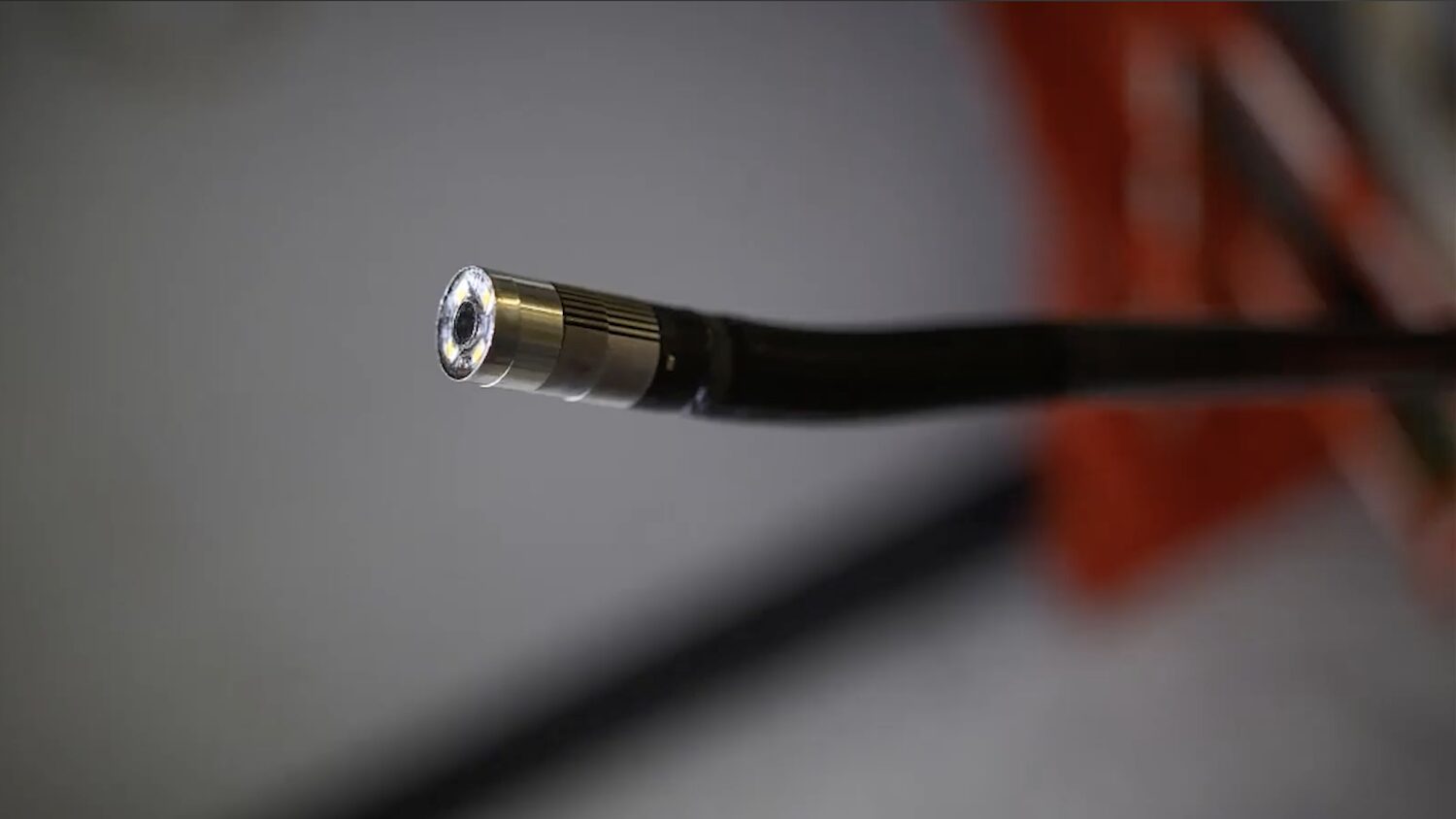
The Camdroid combines a smartphone camera, built‑in LED lights, and a flexible tip in one unit. It can fit through inspection ports that are only 19mm in diameter, and currently has pole lengths of 1.5m and 2m.
Sellafield’s old inspection technology had several limitations: limited flexibility, a partial field of view, unreliable parts and low-resolution black-and-white imagery. Camdroid’s articulated end allows for greater flexibility and manoeuvring once deployed in an area. All the components sit within one unit, which means the technology is less likely to fail, break, or disconnect during use. Inspections using Camdroid take an average of 10 minutes – Sellafield’s older technology took far longer.
Via the user interface, the operator can control brightness, rotation and focus. They also see a live feed of the area.
Each inspection using Camdroid saves around £10,000, due to the increased reliability and shorter inspection time. The technology was recently tested in the fuel handling plant on the Sellafield site. With another 12 inspections estimated during the facility’s lifetime, Camdroid will save around £120,000. As Camdroid is rolled out to more of Sellafield’s facilities, these savings are expected to increase.
Among other plans for Camdroid are:
Keep up to date with DC+: sign up for the midweek newsletter.