

Understanding BAM’s digital approach
10 March 2026

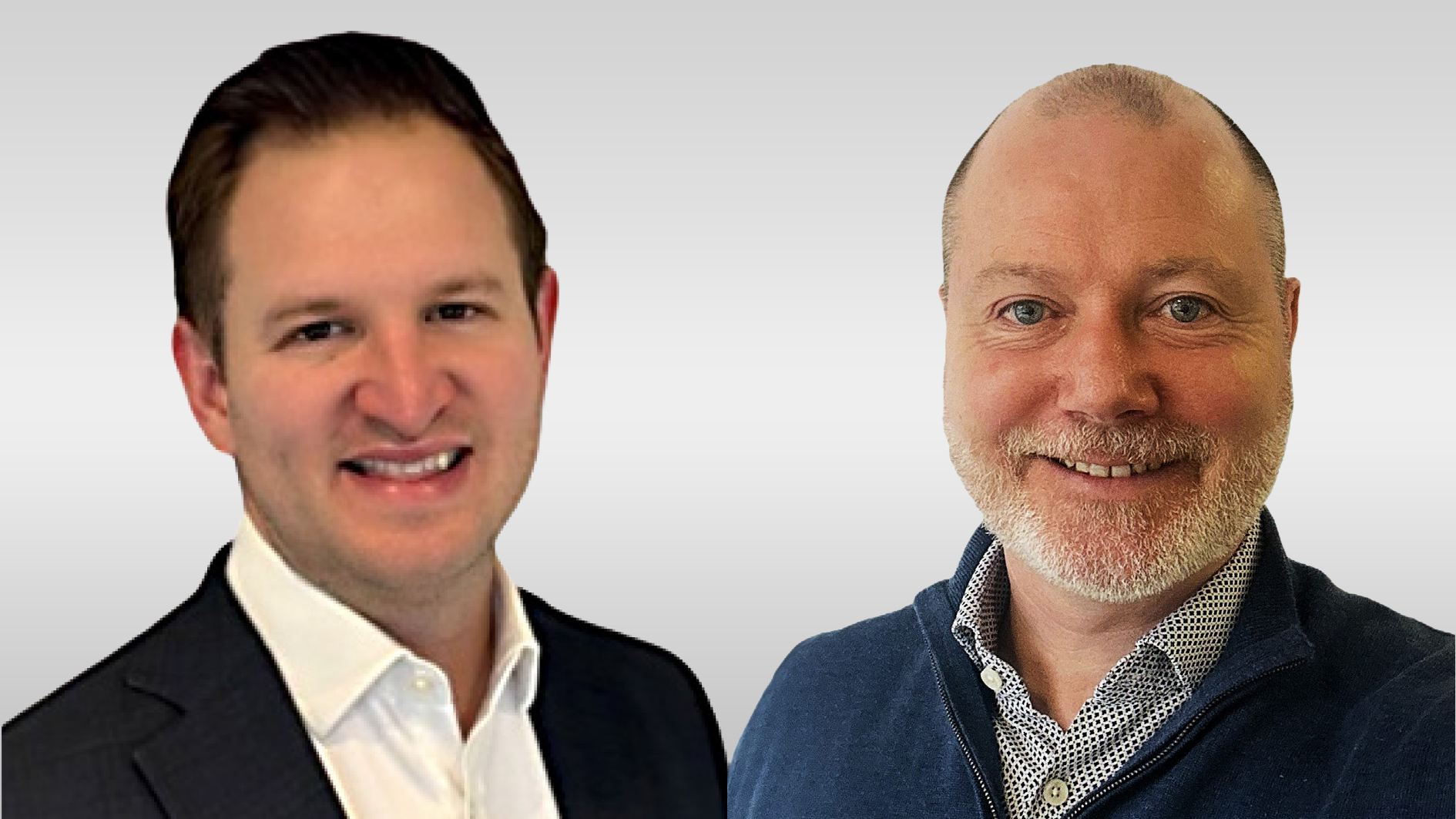
4D planning specialists Joshua Hanson and Liam Clarke have formed a consultancy focused on 4D planning. It’s not just about the animation, they warn.

With a combined 30 years’ experience in 4D planning, Hanson and Clarke have launched Validity, a consultancy focused on delivering 4D throughout the project lifecycle.
The pair have known each other since studying architectural technology together at Birmingham City University. They have worked alongside each other at Sisk for the past five years, Hanson most recently as head of digital project delivery (UK) and Clarke as 4D planning lead (UK).
Validity’s 4D service spans the full project lifecycle, from winning work and planning, to logistics to managing programmes, resolving disputes (more of that later) and shaping business strategy.
“We’re positioning ourselves as an in-house, trusted partner that can be with you on the journey throughout. We’re not just building an animation: we want to give buildability and constructability feedback,” Clarke says.

“We’re positioning ourselves as an in-house, trusted partner that can be with you on the journey throughout. We’re not just building an animation: we want to give buildability and constructability feedback.”
Hanson highlights how their construction experience will be reflected in Validity’s service. He said: “We will build all the bits that you wouldn’t necessarily receive from design partners. So, things like cut and fill, temporary works, hoarding, hoists, tower cranes, plant and machinery, access and egress, and swept paths. In 4D, you’re able to check that that access is maintained or maintainable throughout the lifecycle of the programme – it’s not just in a static review.”
He sees Validity’s role as not simply a provider of animations: “We come in as a mediator, facilitator: we’re totally unbiased. We’ve got construction backgrounds: we’re not just techie, digital people. And we can facilitate planning, design, and coordination workshops quite easily, and then ask the silly questions that other people in the room might feel uncomfortable asking.
“We put people at the heart of the plan. We get all the right people in the room as early as possible, so that everyone has a say on the programme. Everyone feeds into that programme, and then goes through the process of the 4D workshops and reviewing it visually, tweaking it, testing it and basically kicking it around as much as possible so that everyone is fully bought in – they’ve got the same level of confidence that they can deliver the programme in the way that everybody’s agreed.”
Clarke emphasises: “Keep the focus on the people – the process and the tools are complementary. Engagement is key.”
Whenever you talk to someone about well-delivered 4D planning, the story is the same: the project team expect 4D as the norm from then on. Hanson and Clarke confirm this from their experience.
The former states: “We’ve always said that if you embed this as part of your planning process, from cradle to grave, you’ll see massive gains. Don’t just think about it as a picture or a flashy video that can sell the dream. We’ve seen 4D go from strength to strength on projects: once people have been through a cycle of doing it on a project, they come out the other end and they don’t want to do the next job without it.”
Clarke takes up the story: “We coined them as second and third generation project directors that had delivered one project with 4D and got to know it and saw some of the benefits. Then, on the second project, they had a much better idea. Then on the third one, 4D’s an expectation – we need to incorporate this from the start; we need to do well; and it needs to be structured, detailed, and all those things.”
Not all contractors are 4D-driven, but Hanson says it’s not just for the tier ones: he knows of some tier two contractors that have staff dedicated to 4D.
Clarke adds: “4D is used in a lot of places, but it’s still not an industry standard or expectation. We’re starting at the right time. We have the opportunity to build a reputation and be seen as a market leader to help drive this adoption and promote best practices at all levels.”
Setting up Validity was a step Hanson and Clarke had to take now. Hanson says: “We’ve both just got to 35 – if we don’t do it now, we’ll just carry on in full-time employment. We’ll never do it, and then we’ll look back in five or 10 years and think ‘why did we do that?’”
Clarke adds: “The idea has been building momentum for the last few years, every time we went for a pint. We’ve got a strong and supportive network. We’re 15 years into our careers, so that gave us the confidence, with the people we know through the projects we’ve worked on, that there would be a good enough response [to Validity].
“To a certain extent, we haven’t got huge aspirations or exit plans for the next five years: we just enjoy what we do. We want to do it for ourselves, improve on the status quo and put our own spin and stamp on it.”
Emphasising their mantra that 4D is not just about the animation, Hanson and Clarke want to demonstrate the value of 4D to their clients as they go.
“We want to report back the value of the process and what we’re discovering through the process,” Clarke explains. “We’re looking to issue dashboards to help clients understand where they’ve made gains, where they’ve potentially saved time or cost, and make it a more mature and robust 4D experience. You’re not just buying an animation: you’re getting a full, bottom-to-top review of your buildability that’s backed up by actual outcomes in more formats than just animations and images.”

“4D is definitely more popular in the work-winning, pre-construction phases, because you’re planning for the future, but we are definitely seeing more and more appetite in the claims and dispute space, where they’re finding it really difficult to demonstrate delay and the impact of a delay.”
As mentioned earlier, Validity offers 4D throughout the construction lifecycle, including in disputes and claims.
“4D is definitely more popular in the work-winning, pre-construction phases, because you’re planning for the future, but we are definitely seeing more and more appetite in the claims and dispute space, where they’re finding it really difficult to demonstrate delay and the impact of a delay,” Hanson explains. “If the 4D video is backed up by real-time and as-built data, reports and photos, you can’t argue with it: it’s a visual timeline of what happened.”
Clarke says that adjudicators are now looking to bring in 4D to help assess the “two different stories that have been submitted, to rebuild them visually, to help explain it to the non-technical professional”.
Validity also offers client advisory and business strategy. “That bottles up what we’ve done throughout our careers, and where we’ve had success,” he explains. “It’s the things that we’ve learned about what type of culture you need, what kind of people you need, what kind of training processes and documentation. We’ll help companies that want to go on the 4D journey and give them a leg up and build some structure around it. We’ve already felt the pain, so it’s about helping others to avoid the same pitfalls.”
Hanson concludes: “It’s as much about us and our expertise as it is the process and output.”
Keep up to date with DC+: sign up for the midweek newsletter.