


Why alliance contracting needs digital discipline
15 September 2026

Rethinking BIM Education: Inside the BIM Challenge and the shift toward collaborative, data-driven practice.
As the architecture, engineering and construction (AEC) industry undergoes rapid digital transformation, the role of BIM has evolved far beyond a set of tools. It now represents a collaborative framework, one built on shared data, transparency and coordinated decision-making across disciplines.
Yet, while the industry has moved toward integrated, data-driven workflows, education often struggles to keep pace. In many academic environments, architecture, engineering and urban planning are still taught in parallel rather than in dialogue, leaving graduates underprepared for the realities of interdisciplinary practice.
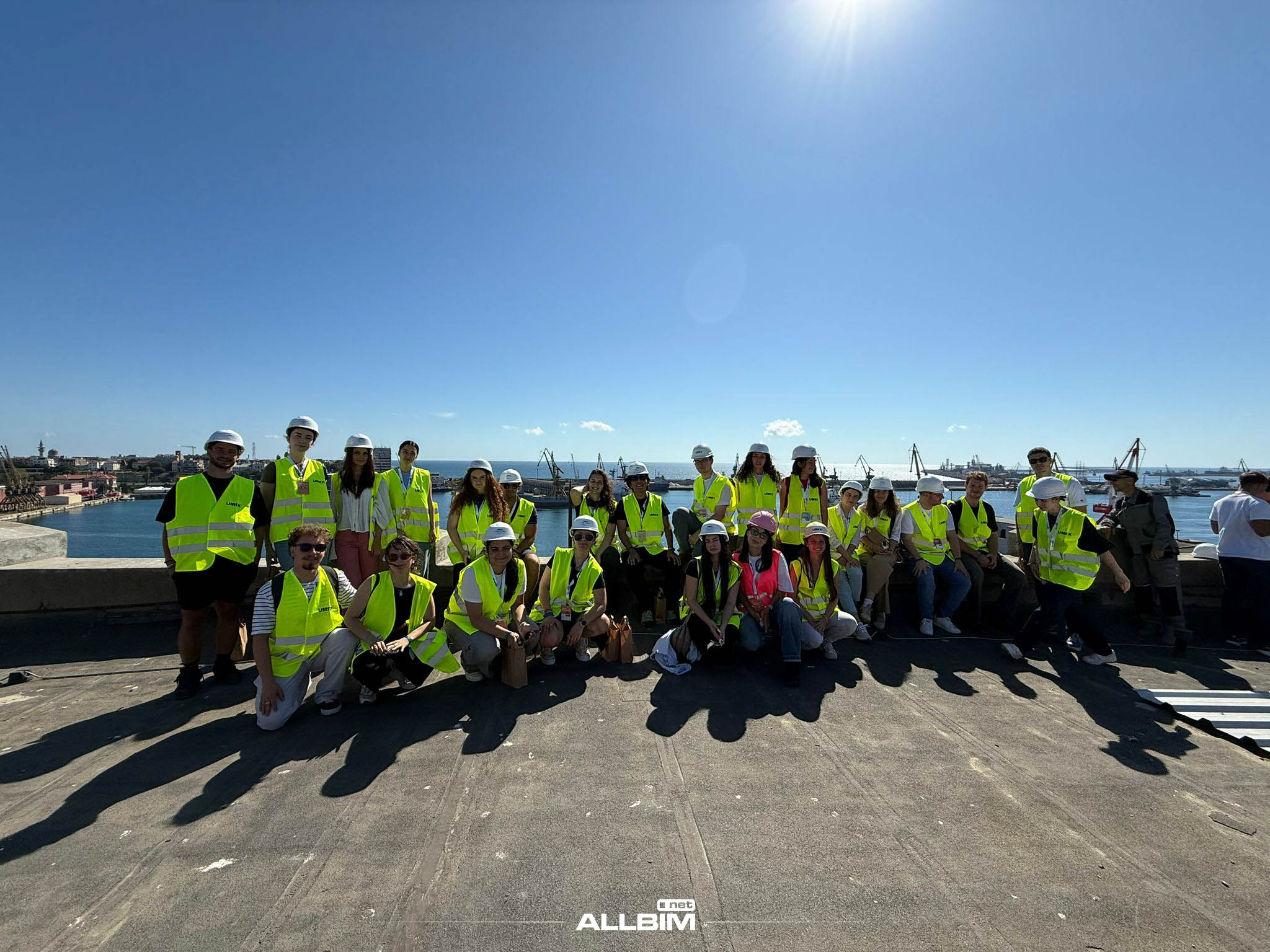
The BIM Challenge, an international summer school now approaching its 20th anniversary, positions itself precisely at this intersection. Held annually in Romania, the initiative proposes an alternative educational model, one that shifts the focus from individual expertise to collective intelligence within a shared digital environment.
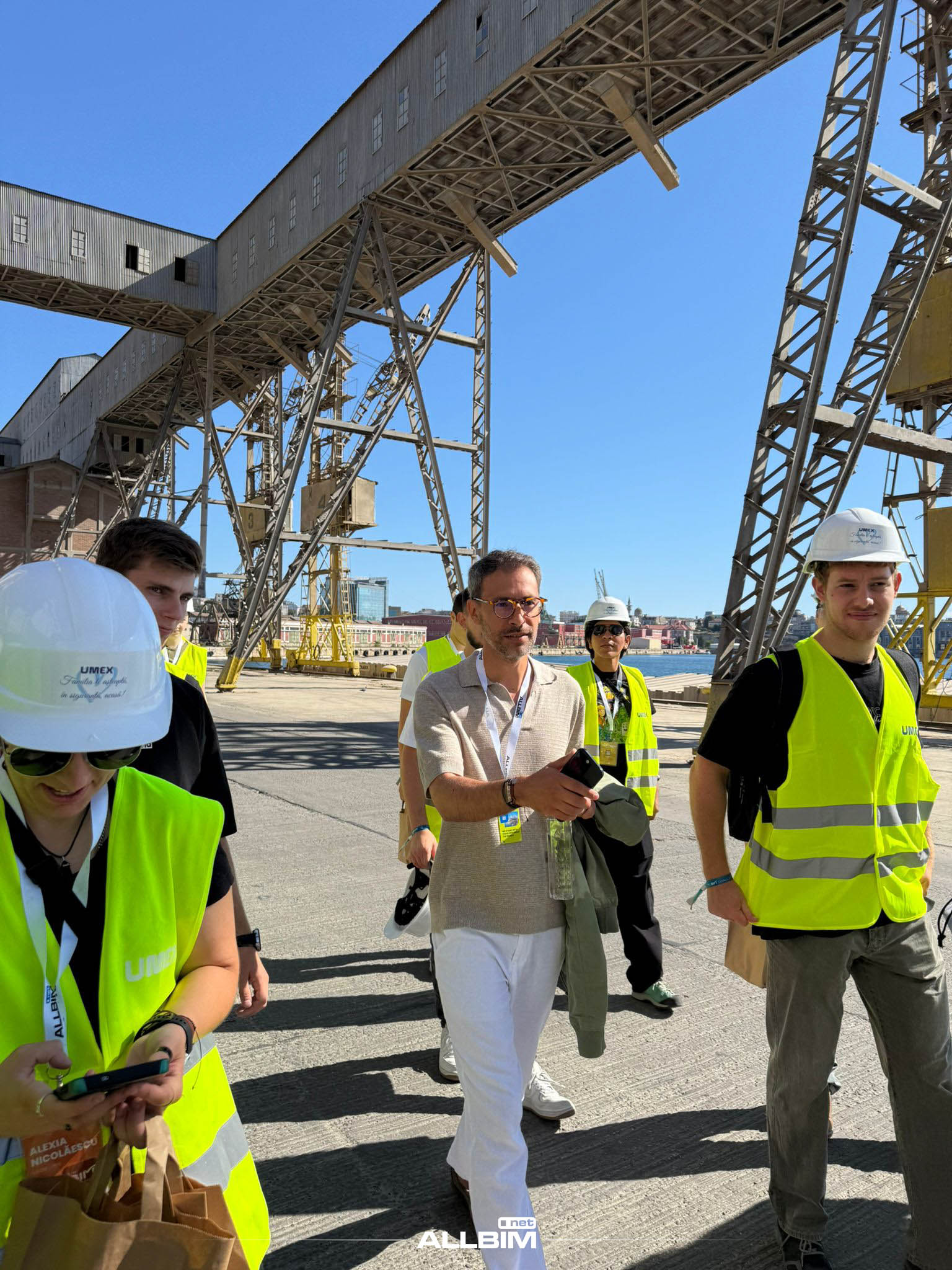
The BIM Challenge was born from a simple realisation: at its heart, BIM is synonymous with collaboration, transparency and the ‘single source of truth’.
The event addresses the disparity between the rapid digital transformation of the AEC industries and the hands-on preparation provided in formal education. While BIM is now a professional standard, students and educators often lack the environments needed to master these collaborative workflows.
The initiative introduces a transformative educational model, one where participants are connected through BIM to master coordination across architecture, engineering and urban planning within a shared digital environment.
At the heart of the BIM Challenge lies a simple but critical observation: BIM is not primarily about modelling, but about coordination. The organisers describe BIM as being “synonymous with collaboration, transparency and a single source of truth”. However, these principles are difficult to grasp in isolation. They need to be experienced in a real collaborative context.
During the one-week intensive programme, students from architecture, urban planning, structural engineering and MEP disciplines are brought together into multidisciplinary teams. Rather than working in silos, they are required to co-develop a project using BIM workflows, navigating the complexities of shared authorship, interdependent decisions and continuous data exchange.
This shift, from discipline-based work to integrated collaboration, is where the true educational value emerges. Unlike traditional academic exercises, the BIM Challenge operates as a live simulation of professional practice.
Participants work within a common data environment (CDE), where information is continuously updated, shared and negotiated. Design decisions are no longer isolated acts – they trigger consequences across the entire system. Conflicts must be identified and resolved in real-time, and coordination becomes an ongoing process rather than a final step.
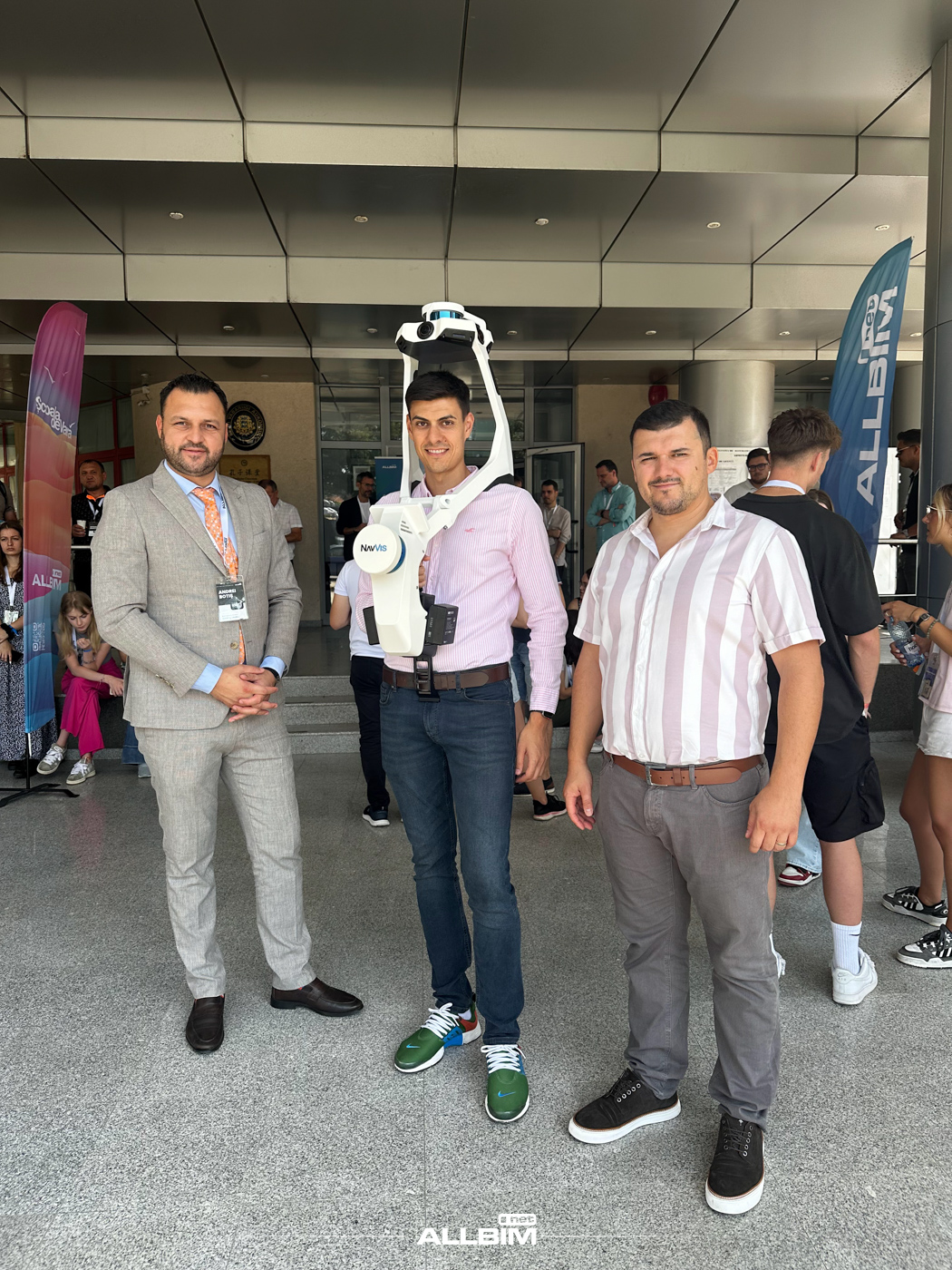
BIM Challenge organisers tell me, “the moment students understand that their work directly affects others, their mindset changes, they move from thinking individually to thinking systemically”.
This approach reflects a broader shift within the AEC industry, where project success increasingly depends on the ability to manage complexity rather than simply producing design outputs.
One of the key outcomes of this model is the development of what could be described as ‘systemic thinking’, the ability to understand a project not as a collection of elements, but as a network of interrelated decisions.
Participants are required to coordinate geometry, data and intent across disciplines, often under time pressure. This process exposes them to the realities of negotiation, compromise and shared responsibility, all within a digital framework.
“Working in this environment forces you to understand not only your role, but how it connects to others,” says a former participant. “You start to think less about your own model and more about the project as a whole.”
Such skills are increasingly critical in a sector where digital workflows are reshaping the boundaries between disciplines.
The 2026 edition of the BIM Challenge introduces an expanded technological scope, incorporating concepts such as digital twins, scan-to-BIM methodologies and AI-assisted design processes.
However, these technologies are not treated as isolated innovations. Instead, they are embedded within a broader exploration of how data flows across the lifecycle of a project, from design to operation. This reflects a growing industry trend: the value of digital transformation lies not in individual tools, but in the integration of systems and the continuity of information.
While the technical dimension of BIM is essential, the BIM Challenge places equal emphasis on the human aspects of collaboration.
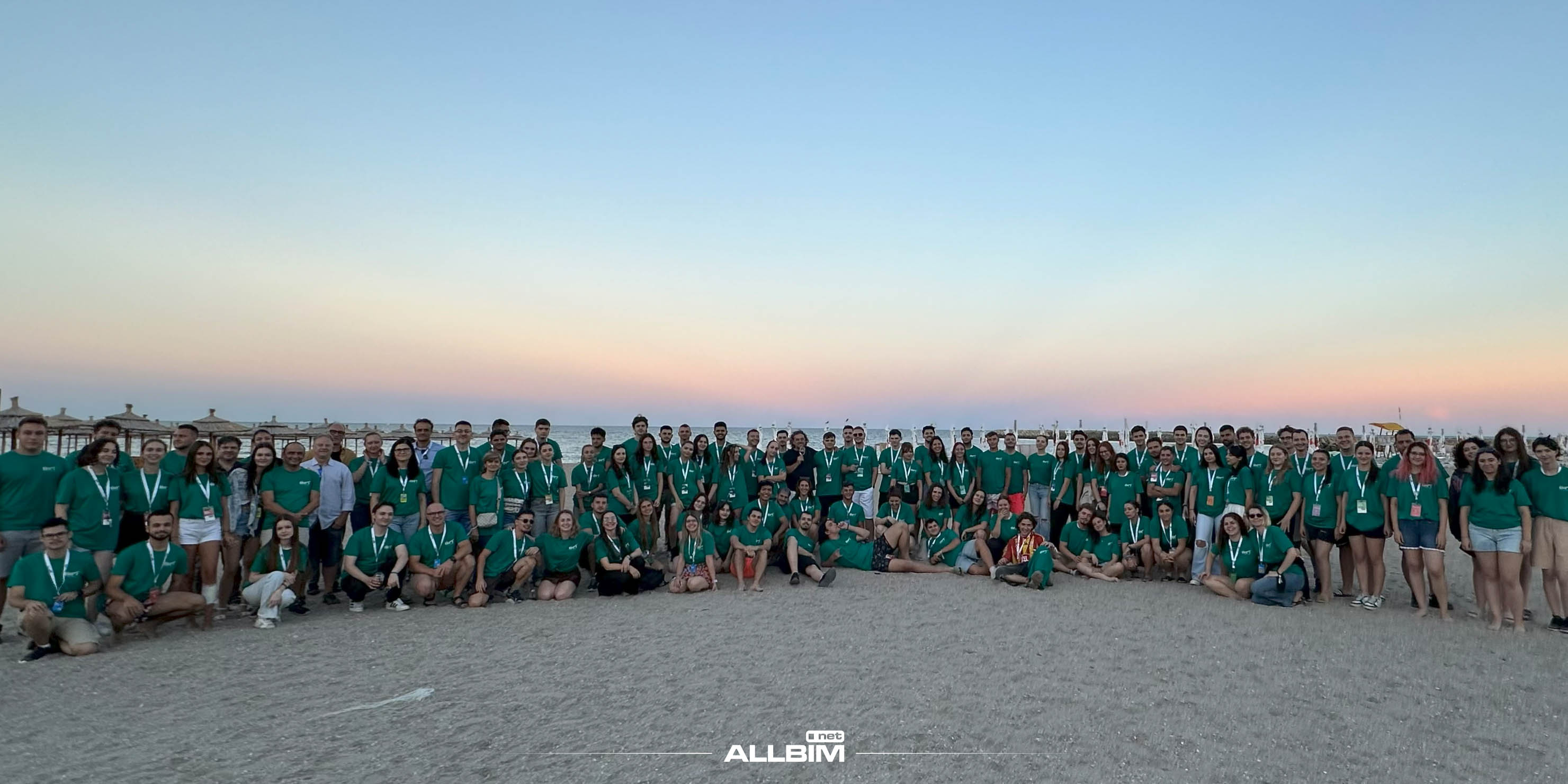
Participants develop transversal competencies such as communication, adaptability and problem-solving, often within culturally diverse teams. The international nature of the programme adds another layer of complexity, exposing students to different educational backgrounds and professional perspectives.
One past participant reports: “Observing how others approach the same problem can fundamentally change the way you think.” In this sense, the initiative highlights an often-overlooked dimension of digital transformation: technology may enable collaboration, but it is people who ultimately make it work.
The BIM Challenge also functions as a platform that connects education with industry. Students, educators, professional associations and technology providers interact within the same environment, creating opportunities for mentorship, internships and long-term collaboration.
These interactions extend the impact of the programme beyond the workshop itself, positioning it as a catalyst for professional development. Ramon Steins from Allplan observes: “This could be a blueprint for many other countries. Amazing.”
Since its inception in 2007, the BIM Challenge has engaged more than 2,000 participants and has continuously adapted to reflect changes within the AEC sector. Its relevance today lies in a broader question: how should education evolve in response to an industry that is becoming increasingly interconnected, data-driven and collaborative?
By creating a space where students can experience, rather than simply study, these dynamics, the BIM Challenge suggests that the future of AEC education may depend less on teaching tools and more on cultivating environments that simulate real-world complexity.
In doing so, it offers not just a programme, but a model, one that redefines how the next generation of professionals learns to design, coordinate and build together.
The 2026 BIM Challenge takes place in Constanța, Romania, between 24 and 29 August. The early bird offer runs until 31 May.
Monica-Gabriela Amuza is Allplan Product Owner, BIM specialist, landscape architect and event coordinator.
Keep up to date with DC+: sign up for the midweek newsletter.