


Why alliance contracting needs digital discipline
15 September 2026

Full automation in BIM brings the threat of ‘disposable designs’, warns James Washbourne from civil and structural engineering consultancy Perega, so choose semi-automation instead.
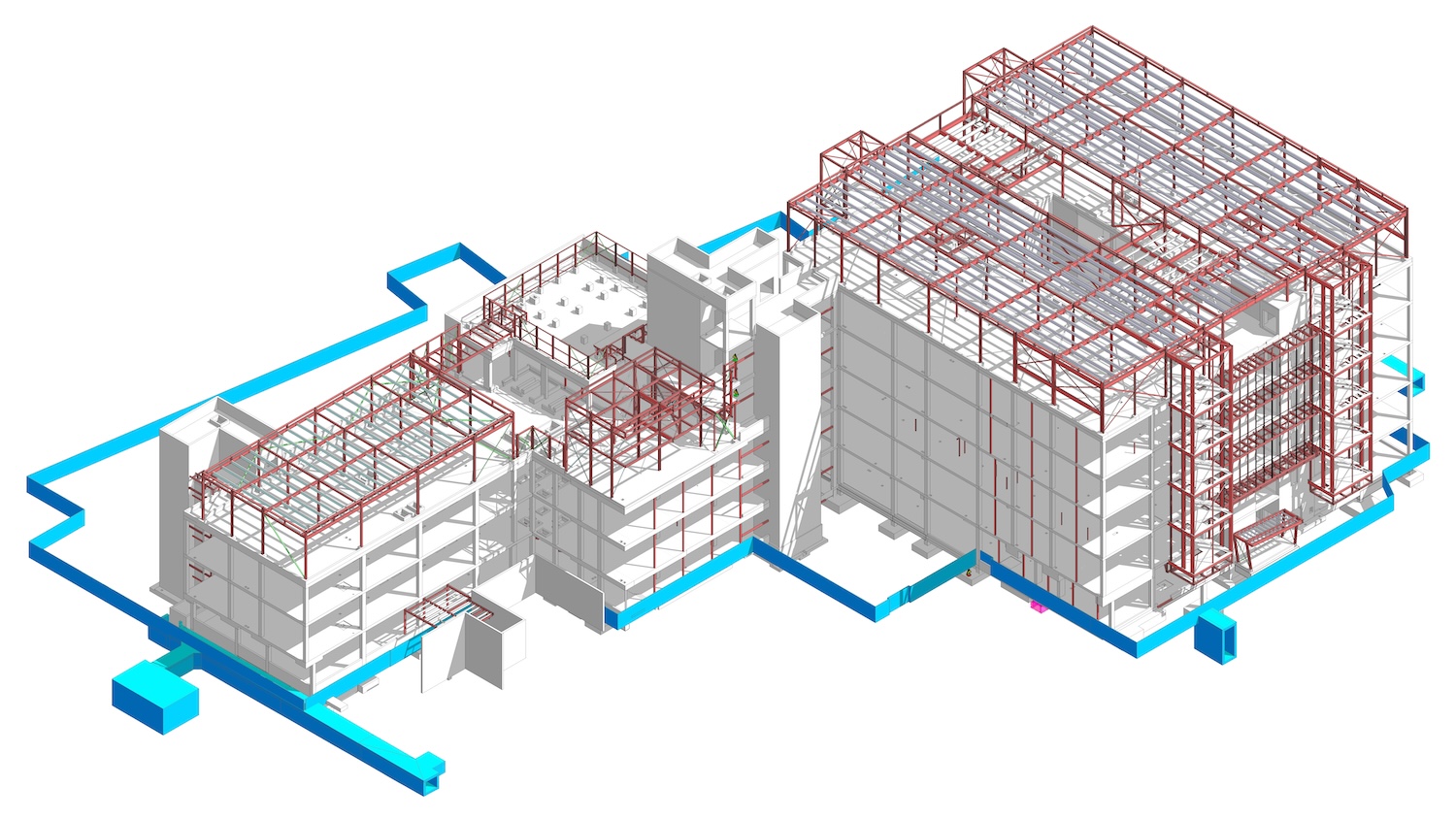
BIM used to be about 3D coordination and asset management, but its scope now extends far beyond that. Yes, 3D models and drawings are still part of the process, but the emphasis has now moved to project delivery and information management. Tasks such as establishing data structures, validating metadata and managing workflows are central to BIM. Geometry is just the visible part; the complexity lies in managing the information that underpins it.
Automation has driven most of that change and it’s also changing what we ask of our people, our software and our clients. Scripting tools like Dynamo and Grasshopper let us strip out manual data entry, cut duplication of work and redirect the time we save into ensuring better standards and developing our junior team. On paper, the economics are obvious: more efficient delivery of drawings, lower cost per output and leaner projects. The reality, of course, is more complicated.
Once a change in the model becomes frictionless, clients naturally ask for more iterations. The scheme can be revised quickly and the brief can evolve more freely, but this often means the design cycle never really closes. I’ve come to think of this as ‘disposable design’. The extra iterations quietly absorb the time we save through automation that the same automation makes possible.
Nonetheless, automation is still worth the investment. The lesson is that full automation is the wrong target to aim for. If you build a workflow that runs without engineering involvement, you will no doubt produce information that needs changing, resulting in inefficient project management. Semi-automation keeps us competitive. We get the speed gains and engineering judgement stays where it should – with the professionals.
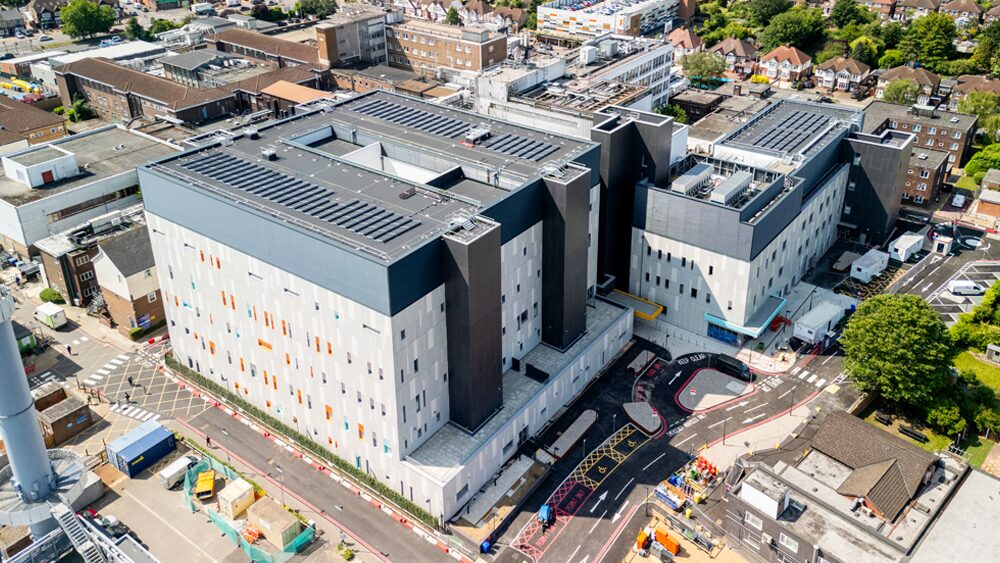
Our work on the new acute services and ward building at Luton and Dunstable Hospital is a good example of the benefits of semi-automation in action. The scheme is a five-storey clinical building for Bedfordshire Hospitals NHS Foundation Trust, with operating theatres, maternity facilities, a neonatal intensive care unit (NICU) and critical care.
Late in the building process, the contractor opted to change RC columns to precast. On the face of it, this was not a geometrical change, but the problem presented was the loading of data. A change of that scale, handled manually, would have meant several days of rework and a risk of inconsistency between the model and the drawings.
Instead, our team wrote a two-stage Dynamo script. The first stage was to create a script that uniquely identified each column and pushed it to Excel. The engineer would specify whether the column needed to be precast and list the associated loads and each column’s detailing requirement in the Excel sheet. The second script would then use this information, identify the columns to be precast and push the data and detailing requirements into the Revit model. This also changed the material assigned to the element in Revit for visual representation.
The hours saved on a change of this magnitude were significant. More importantly, the engineering decisions stayed with the engineers. The script did the repetitive heavy lifting; our team applied their critical thinking.
The skill set for BIM technicians is broadening and asking more of people than it used to. Building technology, technical drawing and structural literacy remain the foundation. On top of that, visual scripting is becoming a baseline expectation. I believe within five years this will become the new standard for technicians. At Perega, we prioritise engineering knowledge over pure coding ability, but encourage the team to write one-off scripts to increase project efficiency.
AI will play a part in all this, particularly in code production, testing and support for visual scripting ecosystems. The honest position on most mainstream AI tools for construction is that they’re still doing things our APIs and dashboards already do. The genuine opportunity sits further out, in agentic workflows, optioneering and reporting.
For now, the practical answer for BIM lies in semi-automation, with careful scoping of what we deliver and when, to ensure efficient delivery to our clients.
Keep up to date with DC+: sign up for the midweek newsletter.