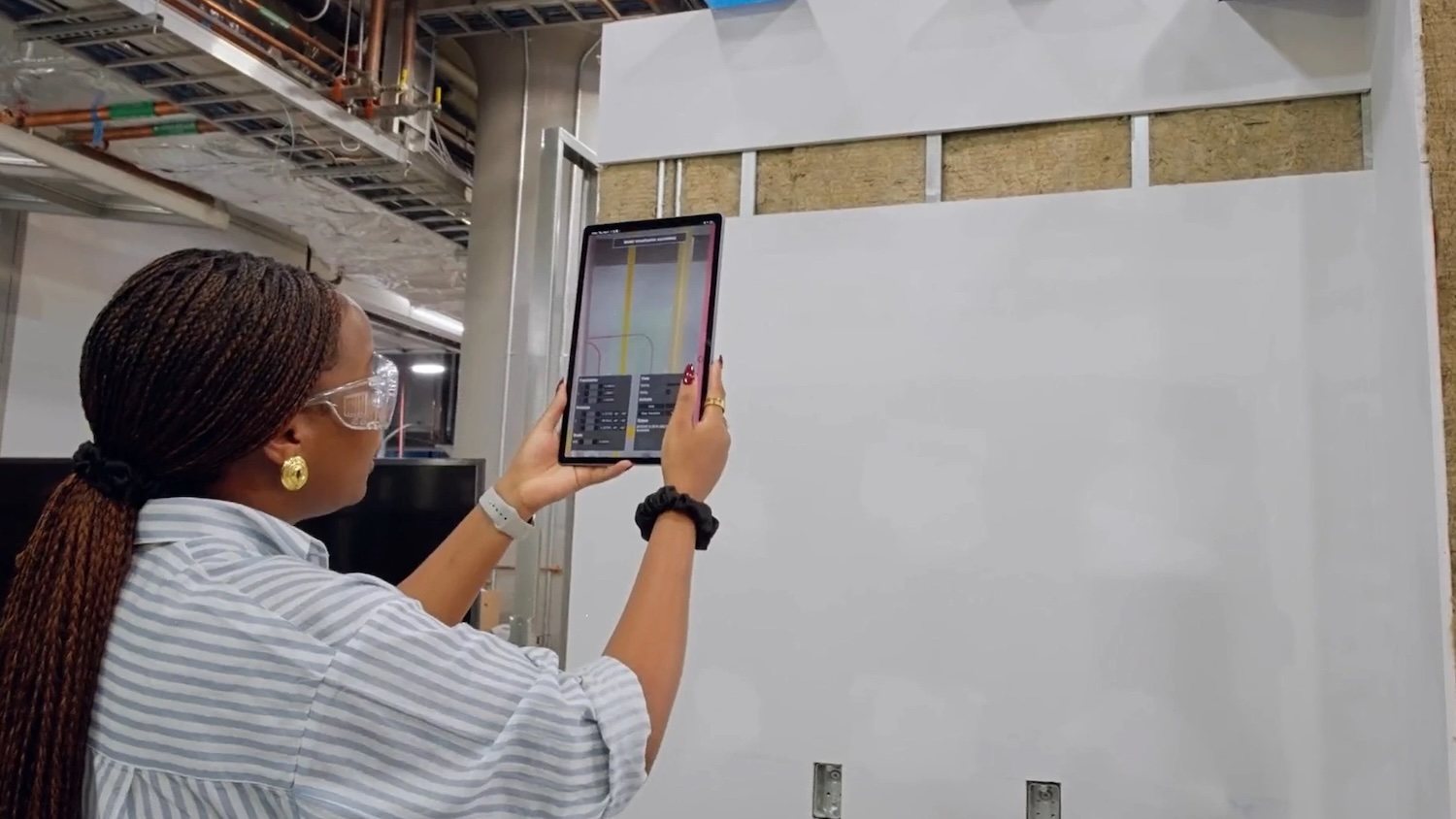



Glider and Virtual Helpdesk team up to bring asset intelligence to life
30 September 2026

Surveyors in both construction and commercial property are investing in AI faster than they are adopting the technology. That’s one of the key findings from RICS’ latest review of its members’ use of AI.

RICS’ latest AI report brings together the survey responses from 1,883 chartered surveyors in construction and 1,265 surveyors in commercial property.
It reveals that more than a third (37%) of the construction surveyors plan a moderate or significant increase in AI investment – up from 30% in 2025 – but only around 4% currently report widespread or full integration. The gap among commercial property surveyors is even wider: around 47% plan to increase investment, compared with around
6% reporting widespread use. Both sectors show a measured approach, with respondents planning to invest rather than develop plans through to widespread deployment.
There was a marked increase in construction surveyors citing security and privacy concerns as barriers to adoption. Commercial property surveyors ranked the issue fourth out of 10 barriers, but data quality and availability is now their biggest barrier to adoption.
For an increasing number of construction surveyors, design optioneering is the most popular expected benefit from using AI. Among commercial property surveyors, automated valuation and appraisal and predictive analytics for market cycles and demand were the top two expected benefits.
In response to the findings, RICS has set itself and the industry a series of immediate-, medium- and long-term goals. This year and next, RICS is to increase awareness of its AI standard and publish practical guidance based on members’ case studies. In turn, RICS members must embrace the standard and document their experience of using AI tools. RICS emphasises that its members should use enterprise AI tools rather than consumer-grade tools for work involving client data.
Last year, RICS announced its AI standard for members to adhere to; the standard came into force in March this year. A significant minority of construction surveyors (43%) and a third (32%) of commercial property surveyors are not currently aligned with the standard, whether from lack of awareness or current misalignment.
In the future, RICS will develop its AI standard with sector-specific extensions for valuation, quantity surveying, building surveying and project management. Meanwhile, RICS members should embed explainability, fairness and human-oversight protocols into client-facing AI work, particularly where outputs affect safety, cost, valuation or compliance. Furthermore, RICS will co-develop cross-sector AI frameworks with peer professional bodies, so members work within consistent governance.
Maureen Ehrenberg, president-elect of RICS, said: “A year ago, this report described an industry approaching an inflection point. The conditions for AI to take hold were in place, but adoption itself was still limited. This year’s data shows that point has been crossed. This shift matters, as does the responsibility that comes with it. RICS’ professional standard Responsible Use of Artificial Intelligence in Surveying Practice, which came into effect in March 2026, provides members with a well-defined framework for acting with confidence. This is the moment for the profession to lead, not follow.”
Keep up to date with DC+: sign up for the midweek newsletter.