
Understanding BAM’s digital approach
10 March 2026
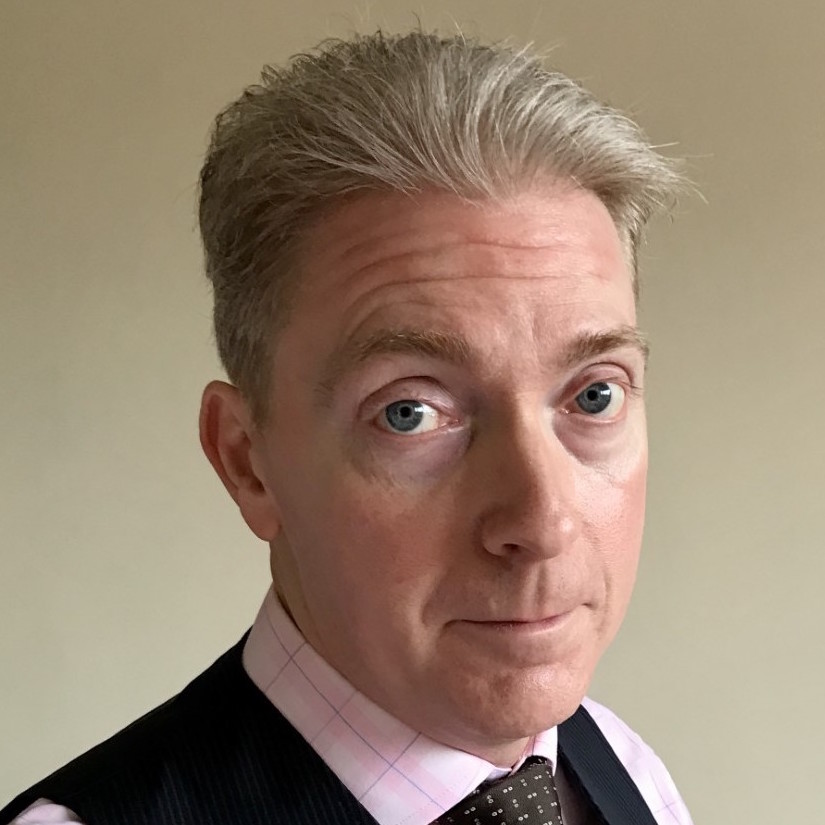
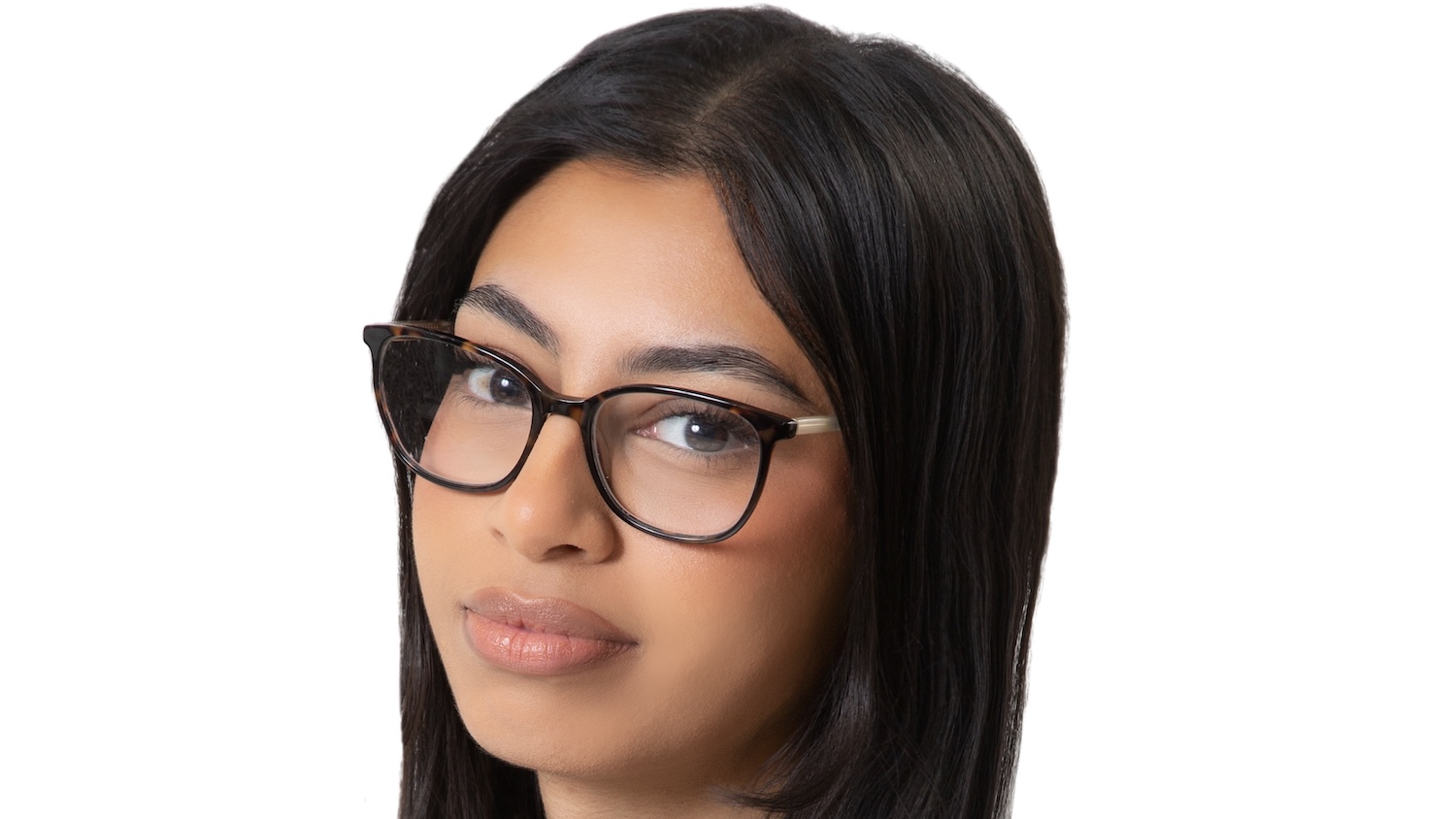
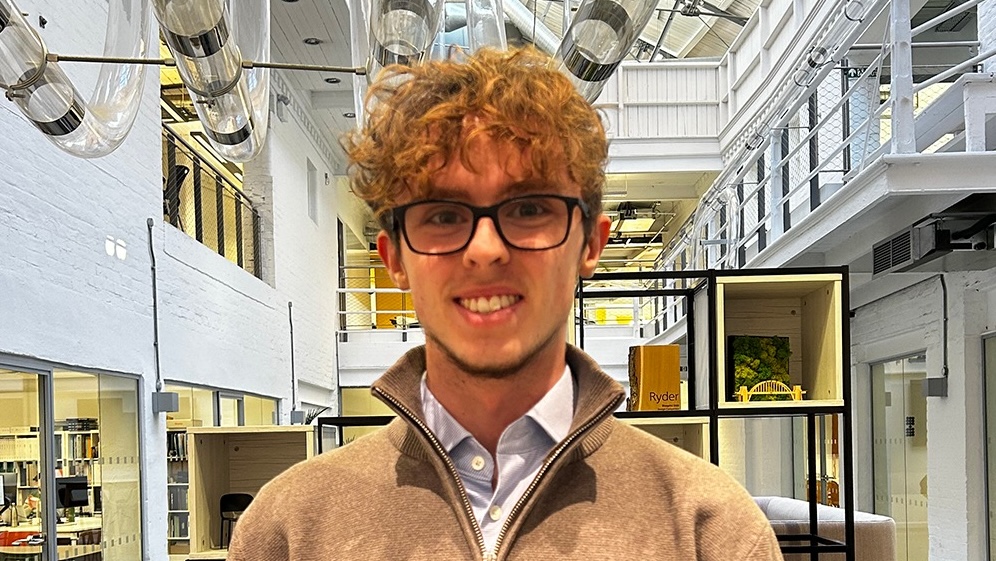
Our fifth and final Q&A to mark National Apprenticeship Week is a double-header with assitant digital engineer Chloe Tebb and digital engineer trainee Frankie Gibbs, both at Laing O’Rourke. How are their apprenticeships going?
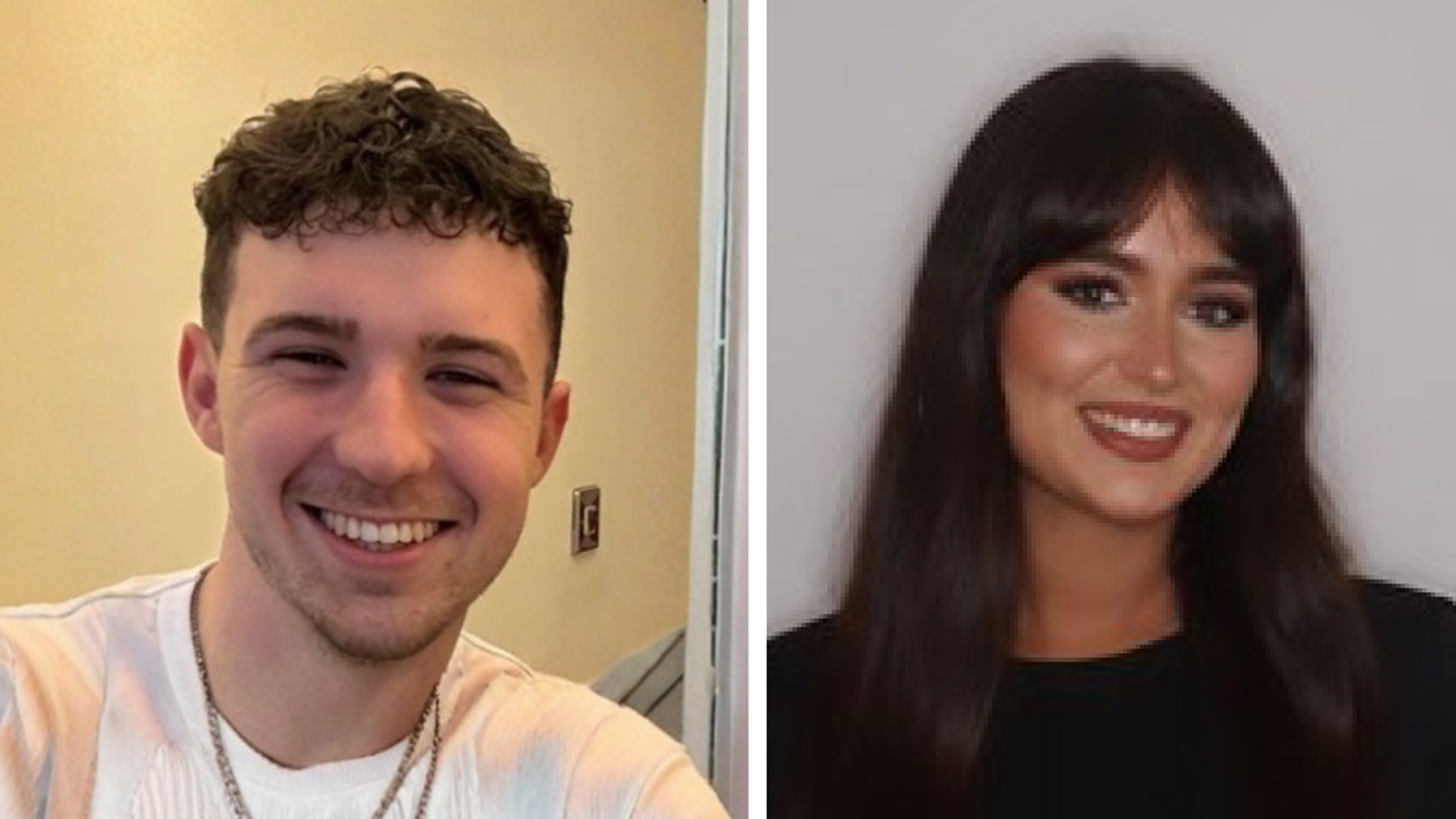
Chloe Tebb: I have always been interested in construction and design since a young age in school. That led me to choose design and creative subjects for my A-Levels, such as 3D design, which I really enjoyed! From this, I knew I wanted to work in the construction industry, but wanted to do something more technology-focused than just being out on site. When I discovered digital construction, I knew it was the perfect fit for my career, combining both design and digital tools that I enjoy using.
Frankie Gibbs: A career in digital construction was attractive to me for many different reasons. A big one was the forward-thinking aspect of the job and how it is constantly evolving with time and never staying stagnant. Another reason leading on from this was the variety of work that we do and all the different software we use to do it: this means you’re always learning something new and never standing still, which really drew me in as someone who is always looking to improve and learn new things.
CT: In school, I attended work experience with Laing O’Rourke at Manchester Airport, where I got to spend time with various teams in the business working on the project. The digital team on the project interested me the most as I enjoyed learning about how the VR technology and digital/BIM tools were used on live projects. This is where I found out about the digital apprenticeship programme Laing O’Rourke offered.
FG: I first found out about the apprenticeships at Laing O’Rourke through a careers evening at my secondary school. An alumni, who found a career in digital engineering at the company, came to do a talk where he spoke about the company and all the different countries we work in and the projects we take part in, as well as sharing pictures of the work he produces, which really caught my interest. After the talk, I looked on the website at all the apprenticeships the company offered and found the digital engineer apprentice role.
CT: On my current project, my tasks involve modelling underground services, logistics, temporary works and sequencing these models for the site team. I also have to ensure that our models are coordinated with what is being built on site and ensure that these are kept up to date. I carry out clash detection on models to spot any design errors before anything is built on site, and create visual method task sheets to improve health and safety on site when operations are being carried out. I have also produced drawing sheets for the teams on-site to use during construction.
FG: At the moment, I’m working on different automation tasks in Dynamo to speed up different monotonous tasks within our team. The biggest of these tasks is an underground service automation piece, which takes a 2D survey and converts it into a 3D model, saving a lot of time and money. I found the whole experience of learning this new software very enjoyable and rewarding, especially since I’ve been able to see the effects my script has had firsthand.
CT: The most challenging part of my apprenticeship has been balancing both work and university work. However, it has taught me a lot about how to manage my time and stay organised so I can prioritise my workload while keeping up with my university studies.
FG: The most challenging part for me would probably be maintaining the balance between my job work, uni work, and my free time. Having responsibilities at work as well as coursework from university can feel a little overwhelming at times. However, my team at Dartford is very supportive with this, and I’ve found that as long as you keep whoever you’re working for in the loop, they’re very understanding and always ready to give you the space you need to meet any deadlines that might be coming up.
CT: Yes, I definitely do see myself staying in digital construction! My main focus now is to finish my university studies and get my degree, after that I would like to move into a more senior role where I can take on more responsibility and hopefully lead bigger digital projects.
FG: I do plan to stay in digital for the foreseeable future. I think the variety of work and software keeps my day-to-day job feeling different and dynamic. I would like to move more into the automation side of digital since I like the challenge it brings and the feeling after you finally crack a problem you’ve been stuck on for a while. Overall, I’ve found that digital construction is a career that fits me very well, and I’m glad that I discovered it.
Keep up to date with DC+: sign up for the midweek newsletter.